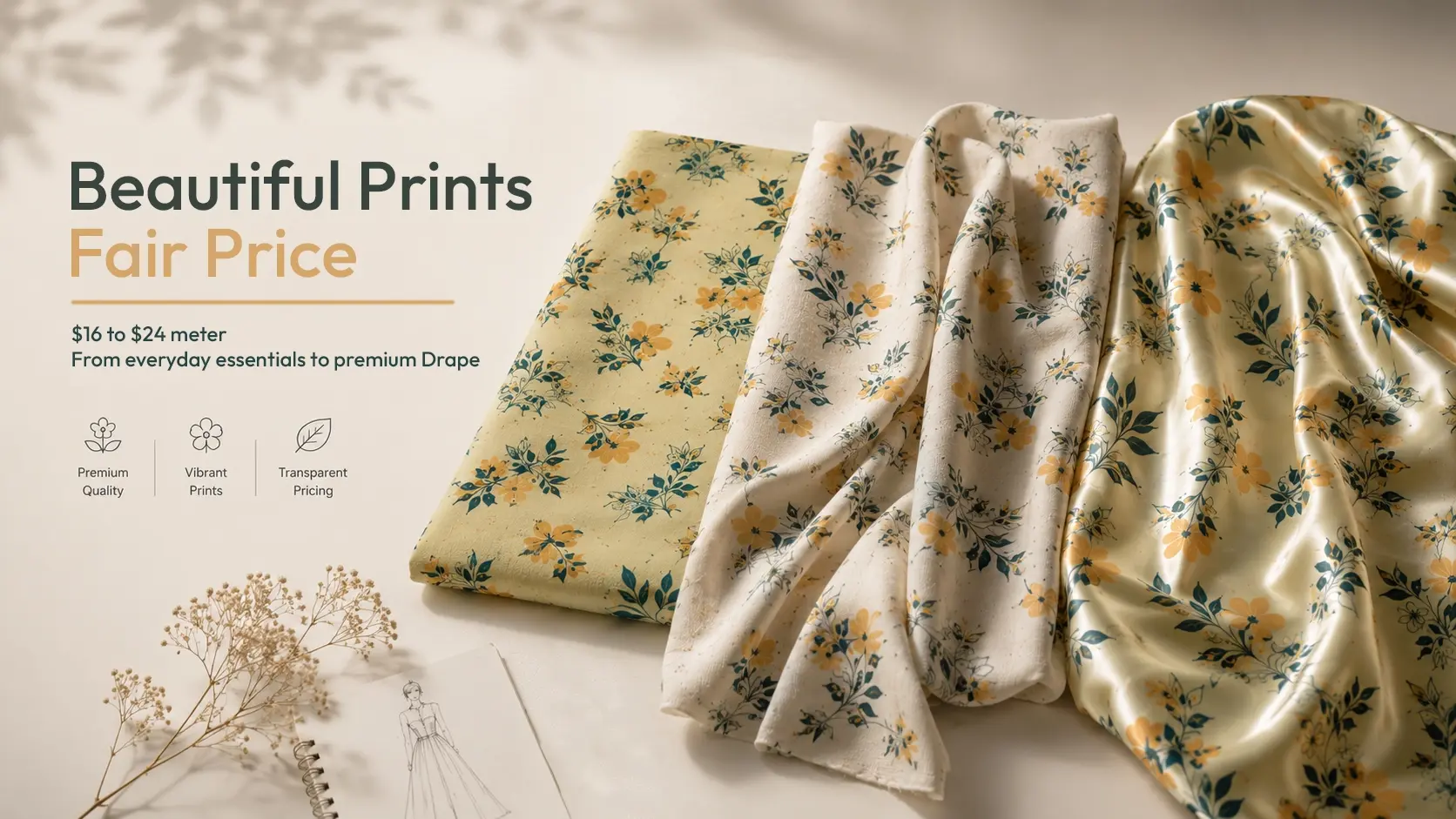
Quick Answer: At Fabzure, digitally printed fabric is priced between $16 and $24 per meter depending on the fabric base. Entry-tier polyester fabrics like American Crape, Poly Muslin, and Japan Satin start at $16 per meter. Mid-tier fabrics including Cotton Cambric and Viscose Rayon are priced at $19 per meter. Premium fabrics like Bemberg Satin reach $24 per meter. The fabric base determines your price bracket. Order quantity determines how efficiently you use your budget within it.
Most pricing guides for custom printed fabric give you a vague global range, then leave you to figure out what that means for your actual project. This one does not.
Digitally printed fabric cost breaks down into a small number of variables that are easy to understand once you see them clearly. The fabric base sets your price tier. The ink chemistry that fabric requires is built into that rate. The quantity you order determines how the fixed costs of printing spread across each meter. And the printing method you choose determines whether setup costs work for your budget or against it.
This guide uses Fabzure’s current listed fabric prices at the time of writing. Buyers should review the live fabric page before placing an order. Because the answer to "how much does this cost?" should be a real number, not a range that tells you nothing.
What Determines the Cost of Digitally Printed Fabric?
Every price quote for custom printed fabric reflects the same underlying cost drivers. Knowing them means you can compare suppliers accurately, identify where your budget is going, and make smarter decisions before you commit to an order.
The fabric base sets your price tier before anything else. The raw material cost, the ink chemistry it requires, and the care involved in printing on that specific surface are all built into the per-meter rate. A lightweight polyester starts lower than a premium satin because those three inputs are less expensive, not because the printing quality is any different.
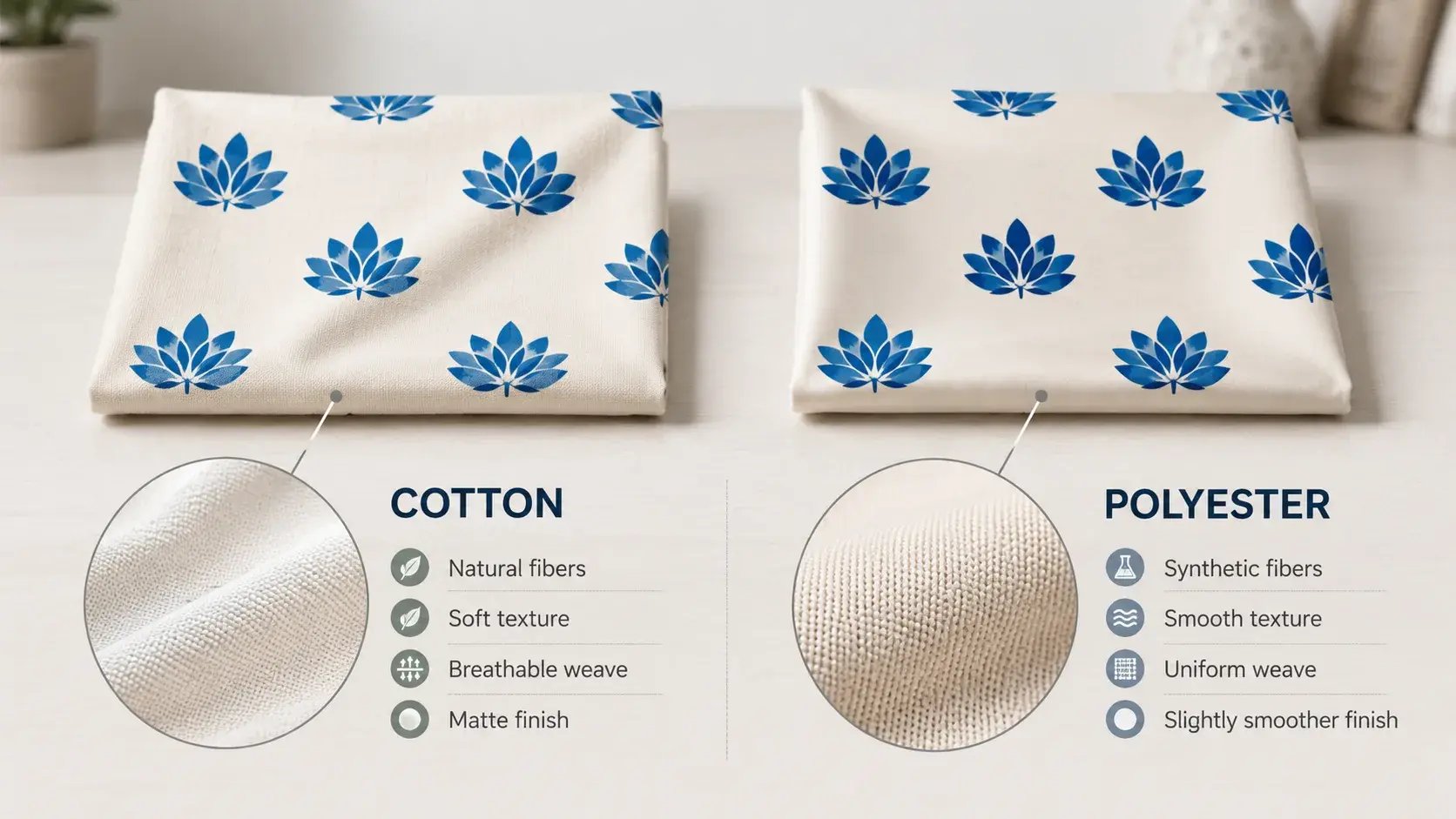
Ink chemistry matters more than most buyers realize. Natural fibers like cotton use reactive dyes. Polyester-based fabrics use disperse dyes. Each process carries different ink costs, cure times, and wash-fastness characteristics. The printing platform factors this into the base per-meter rate, so you are paying for the chemistry whether or not it appears as a line item in the quote.
Design complexity usually does not change the per-meter printing rate in digital printing, as long as the artwork is print-ready. You can print 50 colors, photographic gradients, and intricate repeat patterns at the same per-meter rate as a simple two-color design. This is the fundamental pricing difference between digital and screen printing, and it matters significantly for anyone working with detailed or full-color artwork.
Order quantity is the lever buyers control most directly. Fixed costs for color calibration, print head setup, and quality inspection do not scale down proportionally for small runs. As your order size grows, those fixed costs spread across more meters and your per-meter rate improves.
What Fabzure Fabrics Actually Cost Per Meter
Rather than a range that means nothing on its own, here are Fabzure's actual per-meter prices in USD, grouped by price tier, with what each fabric delivers for that rate.
Entry Tier: $16 to $17 per meter
These are polyester-based fabrics that use disperse dye printing. Disperse dye on polyester produces particularly vibrant, saturated colors with strong wash fastness and lasting color integrity. The trade-off is hand feel; they carry less natural drape than cotton and less sheen than satin, but for structured pieces, home decor, and bold graphic prints, the results are strong.
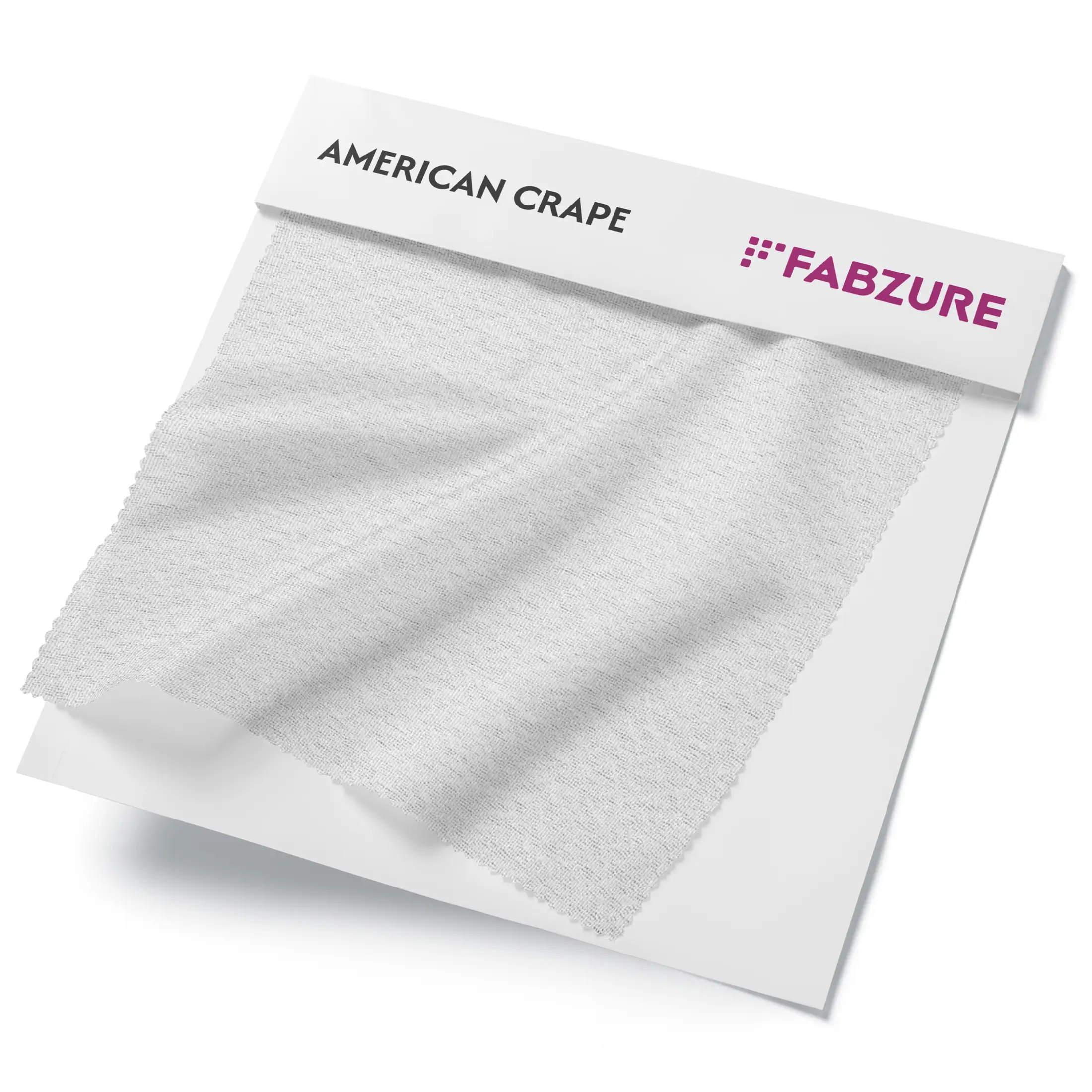
- American Crape: $16 per meter. A mid-weight polyester with a slightly textured surface. Well-suited to formal tunics, structured kurtas, and occasion wear.
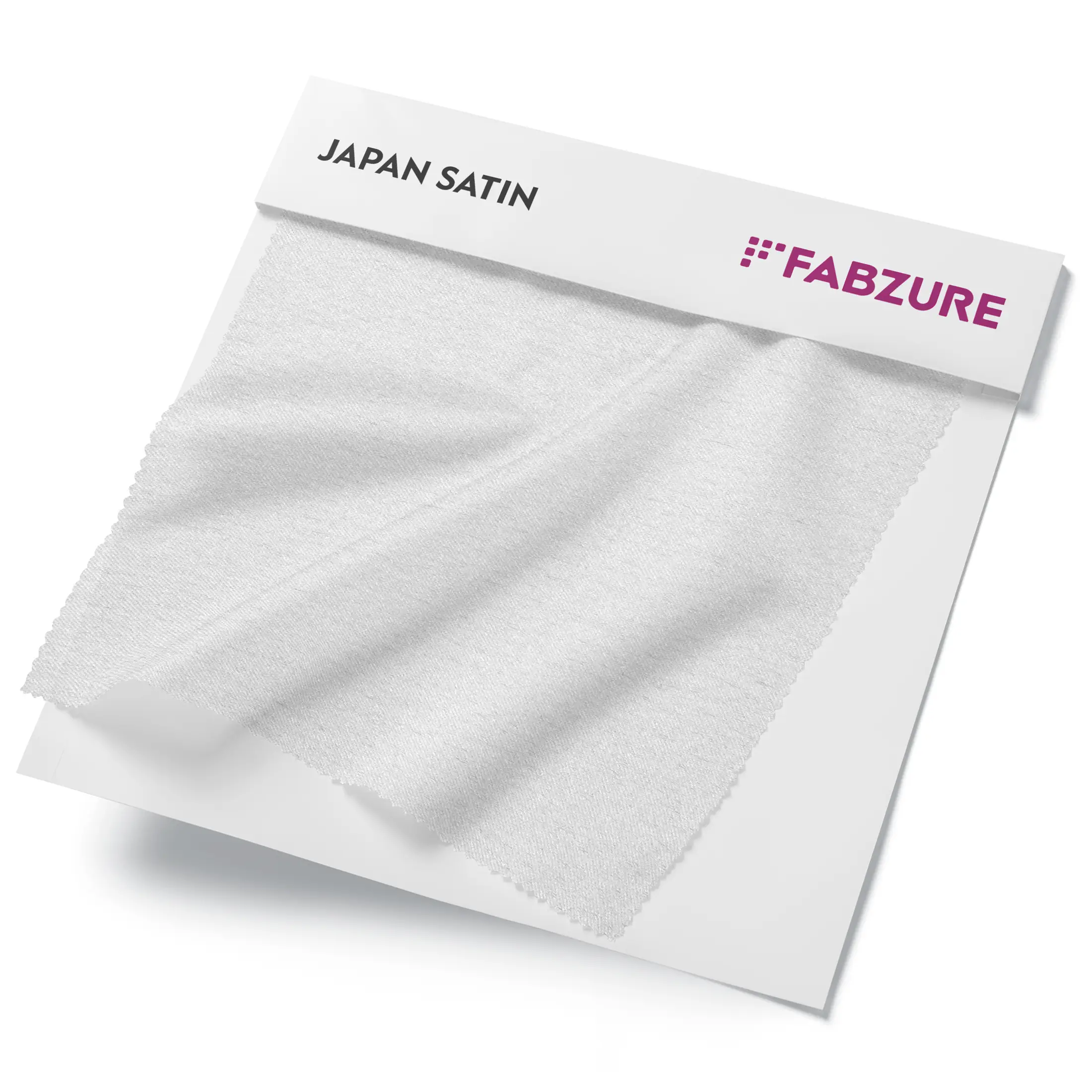
- Japan Satin: $16 per meter. A polyester satin with a smooth finish and subtle sheen. Suits linings, evening pieces, and structured fashion garments.
- Poly Linen: $16 per meter. A heavier polyester-linen blend. The right choice for home decor, cushion covers, curtains, and upholstery projects where durability matters.
- Poly Muslin: $16 per meter. A lightweight, economical polyester with strong print vibrancy. Best for casual fashion and home textiles where cost efficiency is a priority.
- Poly Rayon: $17 per meter. A softer polyester blend with more drape than standard poly muslin. Better suited to casual dresses and relaxed tops where some fabric movement matters.
Modern Designs work particularly well at this tier. Clean geometric layouts, bold repeats, and high-contrast patterns hold their definition on the stable, structured surfaces of polyester fabrics, where the print reads with clarity and intent.
Mid Tier: $18 to $20 per meter
This tier covers natural fibers, viscose fabrics, and Poplin. Reactive dye on cotton-based fabrics produces accurate, nuanced color. Viscose fabrics respond with soft, fluid drape that lower-cost synthetics cannot replicate. Hand feel, breathability, and garment behavior are noticeably better than entry-tier polyester.
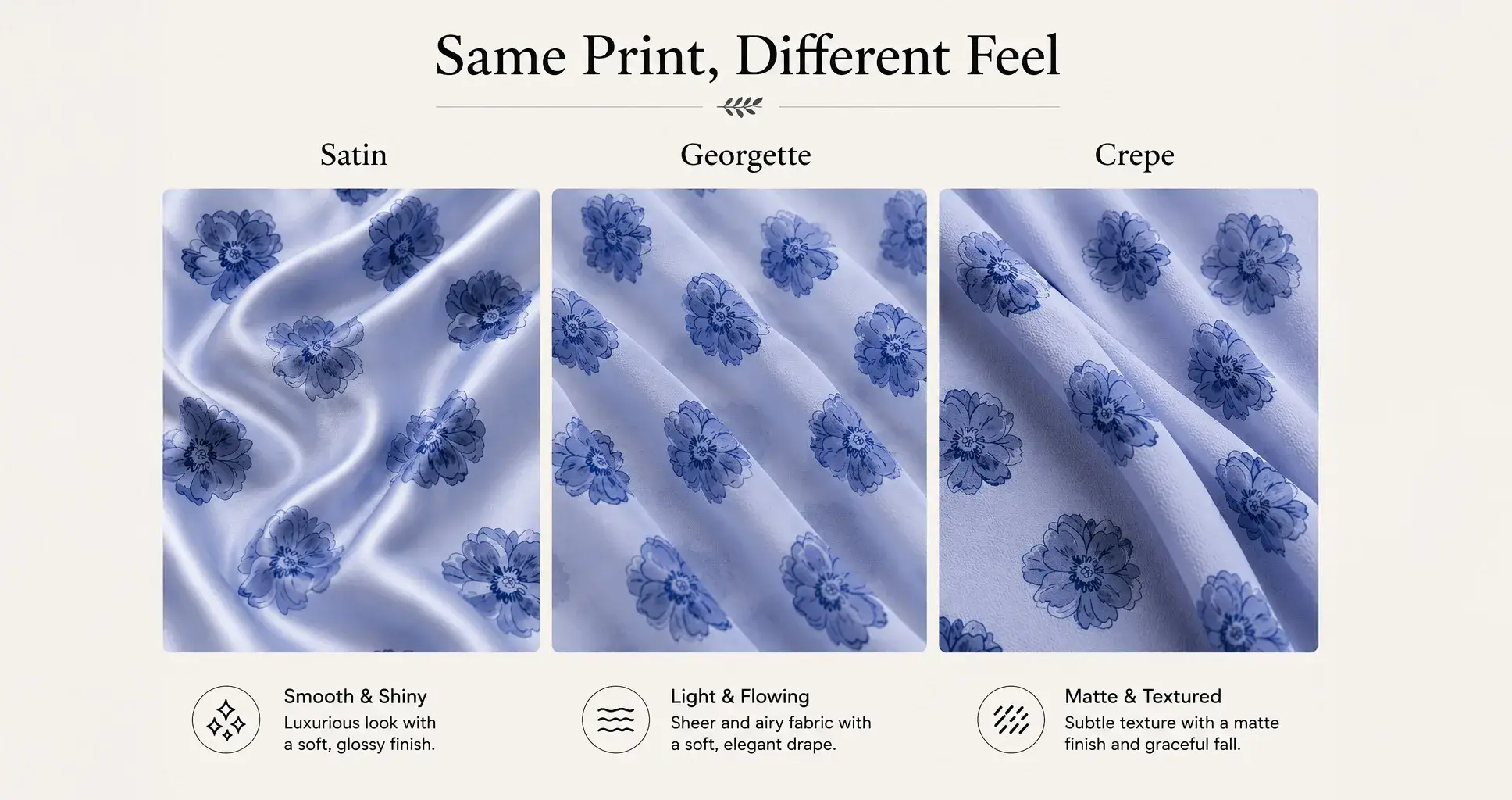
- Natural Crepe: $18 per meter. A textured fabric with natural drape and a slightly matte surface. Popular for formal kurtas, structured day dresses, and occasion wear.
- Weightless Georgette: $18 per meter. An ultra-lightweight fabric with fluid, airy drape. Best for dupattas, summer dresses, and layered garments where lightness is the design intention.
- Cotton Cambric: $19 per meter. A woven cotton with a clean, tight surface. Delivers reliable color accuracy and comfortable wear. A practical starting point for first custom fabric orders.
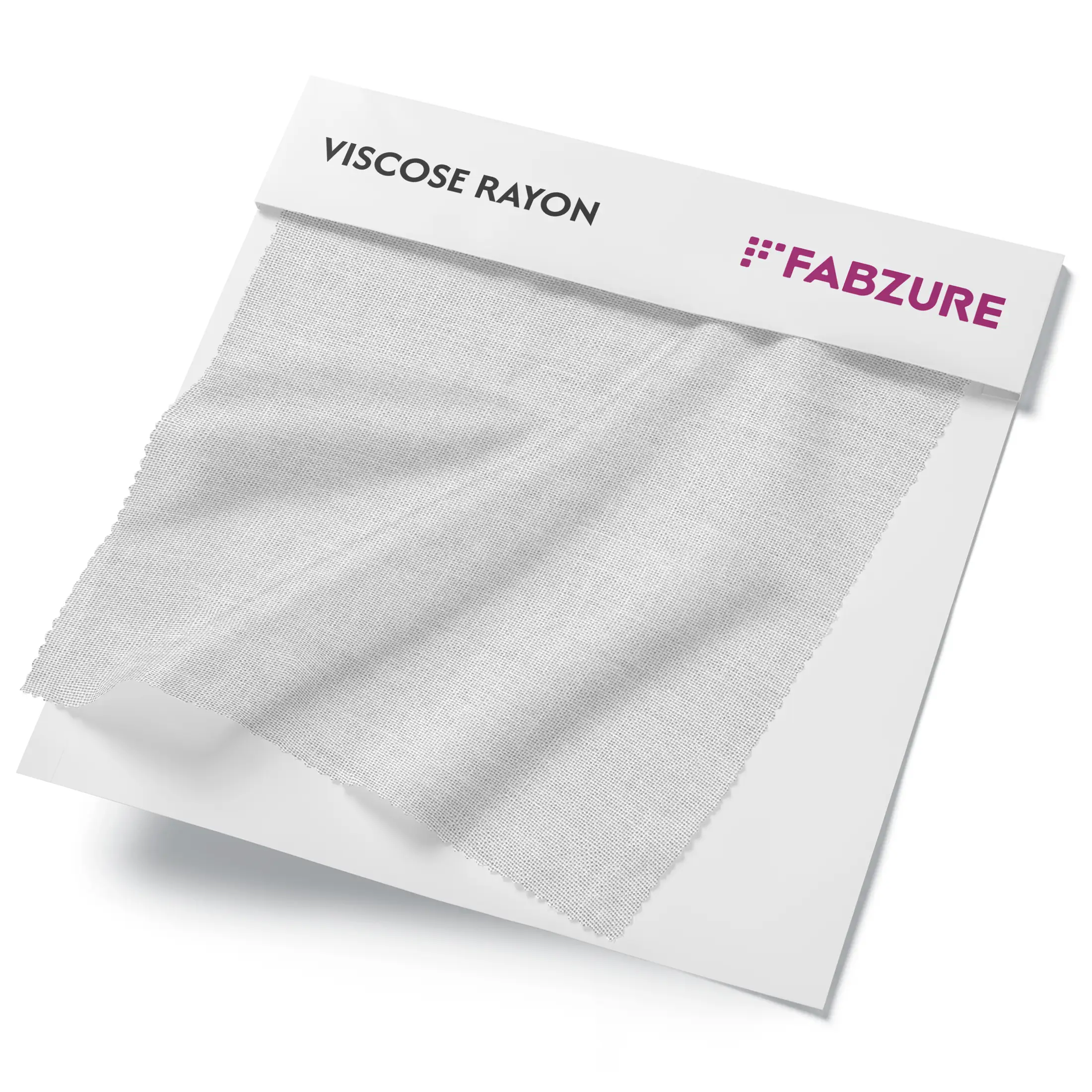
- Viscose Rayon: $19 per meter. A soft viscose fabric with natural drape and a fluid hand feel. Suits flowy dresses, relaxed kurtas, and garments where movement and softness matter.
- Poplin: $20 per meter. A smooth, tightly woven cotton with a slight sheen. Accepts reactive dye cleanly and holds fine print details well. Ideal for shirts, structured blouses, and light home decor.
Hand Drawn Designs and Nature Inspired Designs are particularly well matched to mid-tier fabrics. Illustrated artwork and organic botanical motifs benefit from the softer surface and natural drape of cotton and viscose, where the print feels handcrafted rather than mechanical.
Premium Tier: $22 to $24 per meter
Premium fabrics have a surface quality, sheen, and drape depth that entry and mid-tier fabrics cannot replicate. These are the right fabrics when the material itself is part of what makes the finished piece worth what it costs, whether that is bridal wear, luxury occasion pieces, or fashion where surface quality is the point.
- Modal Satin: $22 per meter. A semi-matte satin with a soft, luxurious hand feel. Less reflective than traditional satin, which allows print colors to read with depth and clarity rather than surface glare.
- Viscose Organza: $23 per meter. A sheer, crisp fabric with subtle luminosity. Printing on organza requires precision, but the finished result for overlays, evening wear, and dupattas is distinctly refined.
- Bemberg Satin: $24 per meter. The highest-priced fabric in the Fabzure collection. A premium cupro-based satin with exceptional drape and sheen. Print color holds with a depth and richness that sets it apart from every other fabric in the range.
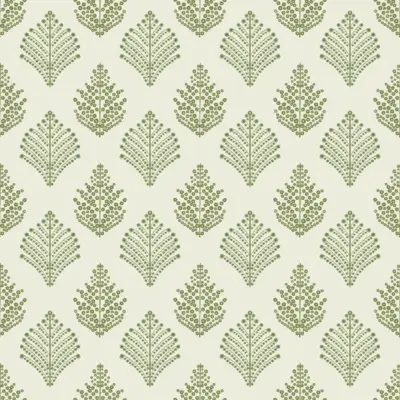
Popular Fabric Design Picks


How Order Quantity Changes Your Total Cost
The per-meter price is only one part of the equation. Total cost is the number that actually matters, and quantity is where buyers have more control than they often realize.
At very small quantities, the per-meter rate is at its highest. Color calibration, print head setup, and quality inspection represent fixed costs that do not reduce proportionally for short runs. This is not a platform markup. It reflects real operational costs that every print run incurs regardless of how many meters come off the press.
At moderate quantities, those fixed costs spread across more output and the per-meter rate improves. Most independent designers and small brands find the best balance here: enough to bring costs down without committing to inventory that has not yet proven its market.
The most useful thing to know before you finalize a quantity is whether you are sitting just below a pricing threshold. There is often a point where ordering slightly more fabric reduces your per-meter cost enough that the additional meters pay for themselves. Running the calculation on the next quantity tier up before you confirm your order takes two minutes and occasionally saves a meaningful amount. For buyers planning larger production runs, our complete guide to buying printed fabric in bulk covers the full economics of scaling.
Digital Printing vs Screen Printing: What Buyers Actually Pay
The comparison between digital and screen printing sounds like a method question. It is actually a volume question, and the answer changes completely depending on how much you are ordering.
Screen printing requires physical screens, one per color in your design. Setup costs for a multi-color pattern are substantial before a single meter of fabric is produced. Spread those costs across 1,000 meters and the per-meter rate becomes competitive. Spread them across 20 meters and you may never recover the setup cost in the order.
Digital printing carries no per-color setup charge. A design with 50 colors, photographic gradients, and complex shading prints at the same per-meter rate as a two-color repeat. This is the genuine cost advantage for anyone ordering under approximately 200 meters: you pay for the fabric and the printing time, not color complexity. According to Grand View Research, the global digital textile printing market is growing at over 12% annually, driven by this cost advantage for short and medium runs. For a full walkthrough of how custom fabric printing works from design to delivery, our complete guide to buying digital print fabric online covers every step of the process.
Three Questions That Determine Whether Your Order Makes Financial Sense
Buyers who consistently get good value from custom printed fabric do not shop for the lowest per-meter rate. They answer three questions before they place an order.
Does the fabric base actually match what the design and the finished garment need?
Choosing a tier below what your project requires saves money per meter and costs more in outcome. A detailed nature-inspired print designed for Viscose Organza loses its depth on Poly Muslin. A premium occasion piece printed on Cotton Cambric instead of Bemberg Satin will never feel like the product you intended. The price difference between a $19 and a $24 fabric is $5 per meter. The difference in the finished result is not recoverable. Get the fabric right first.
Does your planned quantity unlock better per-meter pricing without creating inventory you cannot move?
The pricing threshold exists at every platform. Before finalizing your quantity, check whether adding a small number of meters drops your per-meter rate meaningfully. If the saving on the additional meters outweighs the cost of holding that stock, the higher quantity is the smarter financial decision. If it does not, order what you need. Neither direction is automatically right. The answer depends on your specific numbers.
Is your design file ready to print without additional preparation?
A print-ready file runs at the stated per-meter rate. A file that requires color profile correction, resolution adjustment, or repeat pattern rework may add preparation time that increases your effective cost per meter. Delivering your artwork in the correct format, at the right resolution, and with color profiles set for digital textile printing means the rate you see is the rate you pay.
Pick Most Popular Fabric
How Fabzure Helps You Buy Custom Printed Fabric Transparently
Fabzure keeps the buying process clear by showing fabric options and per-meter pricing upfront. For standard print-ready artwork, buyers can review the listed fabric details before placing an order. The prices listed in this guide reflect Fabzure's current per-meter rates, so you can plan your budget before you place a single order.
The process is direct: browse the fabric collection, select the base that fits your project's tier and end use, upload your artwork or choose from curated design collections, and place your order. Fabzure handles printing, quality inspection, and fabzure handles printing, quality inspection, and shipping based on the delivery options available for the buyer’s location.
Ready to Plan Your Custom Fabric Budget?
Understanding what drives the price is the work. The rest is a decision. Identify the fabric base your project actually needs, calculate the quantity that fits your budget, and place your first order knowing exactly what you are paying for and why.
Browse Fabzure's fabric collection, review the fabric details for your chosen base, and start with the minimum order quantity for the fabric that best fits your project. When you are ready to scale, the per-meter economics will already make sense to you.
Final Thoughts
The cost of digitally printed fabric is predictable once you understand what shapes it. The fabric base sets your tier. The quantity you order determines how efficiently that tier works for your budget. The printing method determines whether setup costs are working for you or against you. At Fabzure, the per-meter prices are published, there are no per-color charges, and the fabric range covers every tier from $16 polyester to $24 premium satin.
The buyers who get the best value are not always the ones with the lowest per-meter rate. They are the ones who chose the right fabric for the project, ordered a quantity that made financial sense, and understood what they were paying for before the first meter came off the press.