You have a design ready. You know what you want to make. The one question left is the fabric. Do you go with cotton, which feels natural and breathable, or polyester, which is durable and holds its shape through years of use?
Cotton vs polyester fabric is a comparison every designer, maker, and buyer eventually has to make, and the right answer depends entirely on the project. A summer dress and a gym uniform need completely different fabrics, even if they both carry the same print beautifully. Getting this decision wrong means the finished piece underperforms: a cotton workout shirt soaks through and stays wet; a polyester sundress traps heat on a hot afternoon.
The fabric you choose affects how comfortable the garment feels, how the print looks after washing, and how long the finished piece holds up in real use. That is the decision this guide helps you make.
Quick Answer: Neither cotton nor polyester is universally better. Cotton is the right choice for warm-weather garments and everyday wear where breathability and natural feel matter most. Polyester works better for activewear, workwear, and garments that go through frequent washing. For custom printed fabric, both hold designs well - the decision comes down to how and where the finished piece is used.
| What You Need | Better Fabric Choice |
|---|---|
| Breathable summer clothing | Cotton |
| Soft natural hand-feel | Cotton |
| Quick drying | Polyester |
| Wrinkle resistance | Polyester |
| Everyday casual wear | Cotton |
| Activewear or uniforms | Polyester |
| Children's clothing | Cotton |
| Home decor with structure | Polyester or cotton-poly blend |
| Natural matte print look | Cotton |
What Is Cotton Fabric?
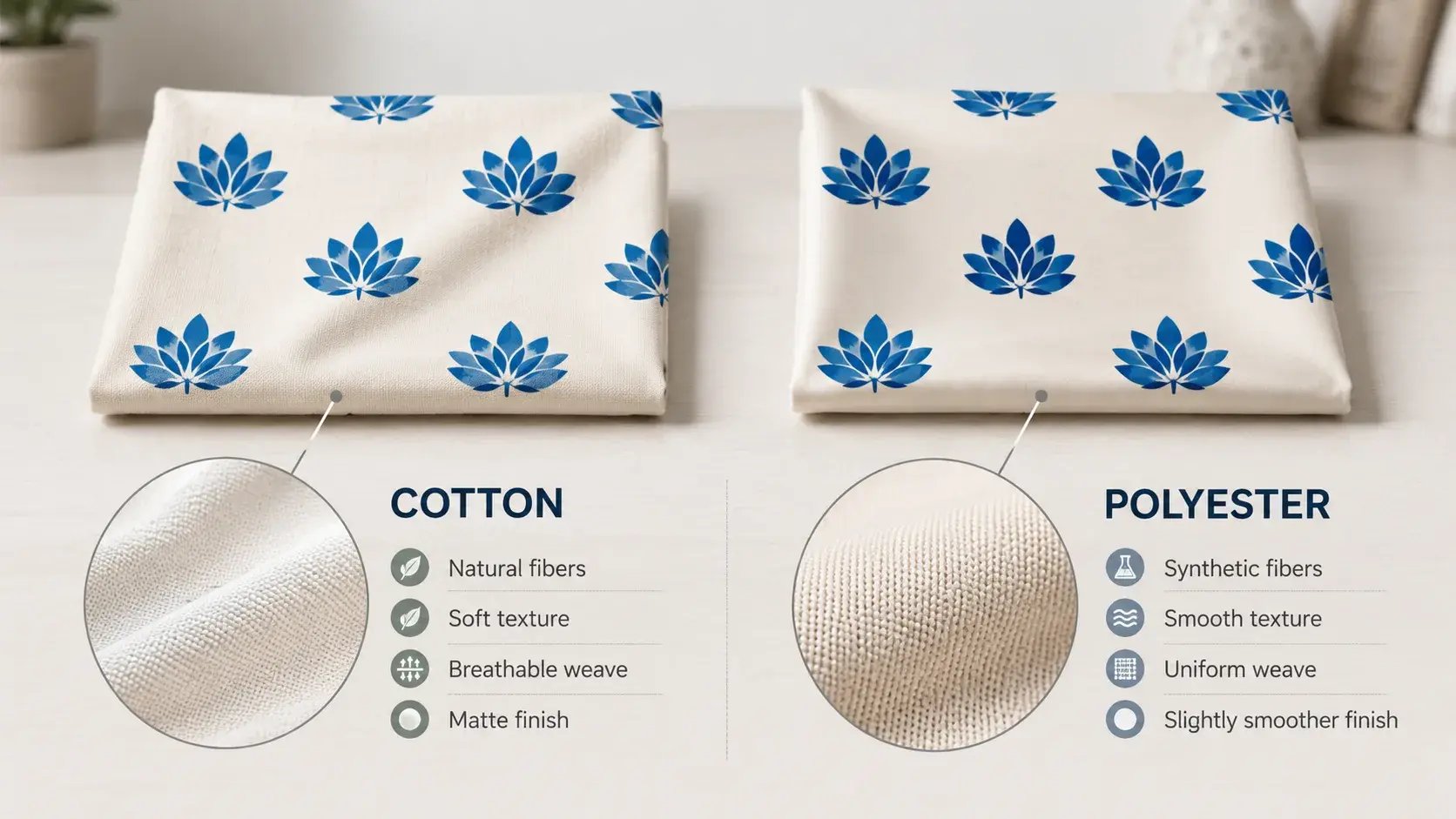
Cotton is a natural fiber that feels soft, breathes well, and absorbs moisture easily. These three qualities explain why it has been used for clothing, bedding, and household textiles for centuries, and why it remains the first choice for warm-weather garments and everyday wear.
For printed fabric, cotton absorbs dye into the fiber itself. This gives printed colors a natural, matte depth that feels grounded and wearable rather than surface-level or synthetic.
Cotton Fabrics Worth Knowing About
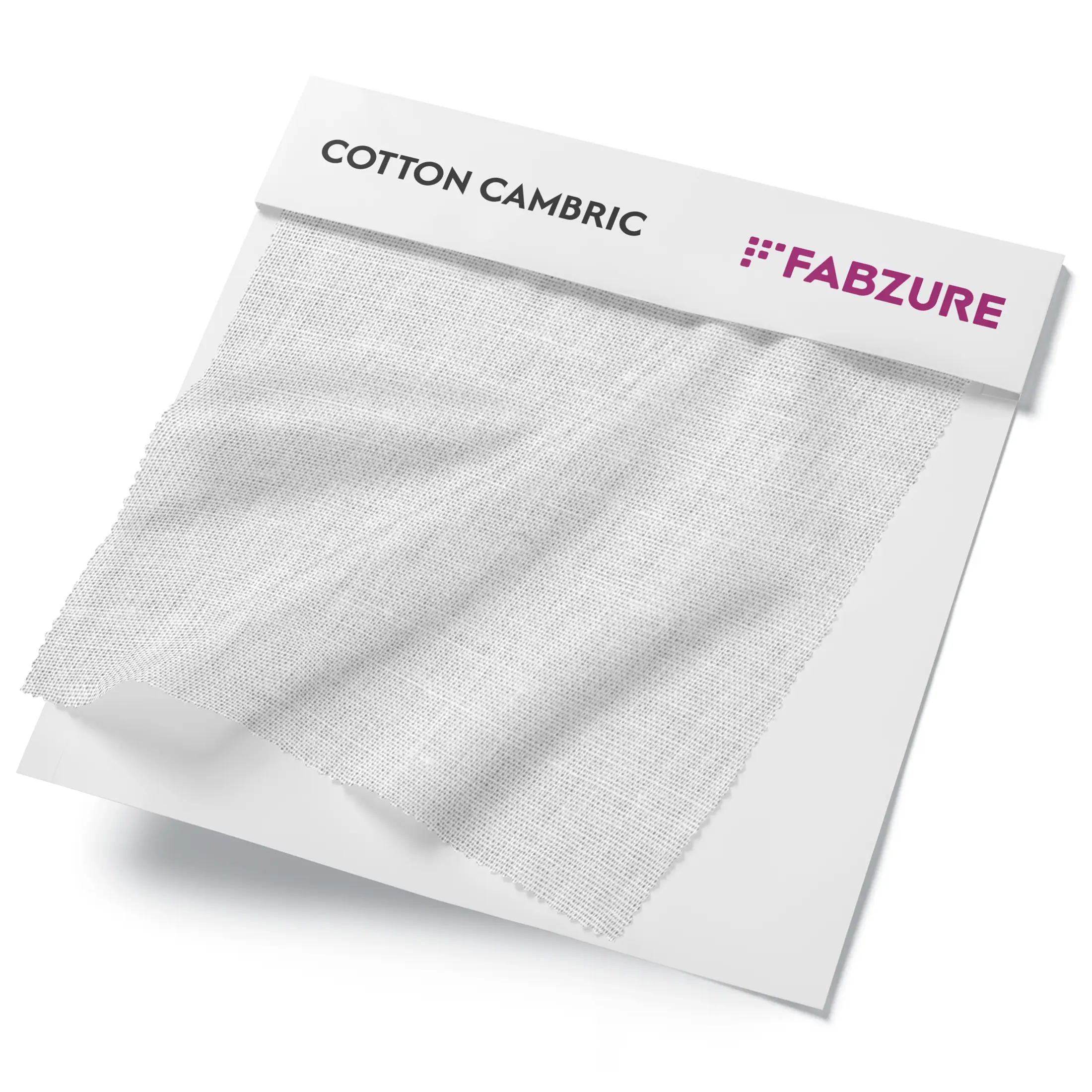
Cotton Cambric is a tightly woven, lightweight cotton with a crisp, smooth finish. It takes digital ink evenly, holds color sharply, and drapes cleanly. For custom printed garments, it is typically the most reliable cotton starting point.
Poplin has a slightly crisper and more structured feel than cambric. It suits shirts, tailored blouses, and structured dresses where you want the comfort of cotton but a more formal, sharper finish.
Organic cotton carries the same fiber properties as conventional cotton but is grown without synthetic pesticides or GMO seeds. Look for GOTS (Global Organic Textile Standard) certification to verify the organic sourcing claim before purchasing.
What Is Polyester Fabric?
Polyester is a synthetic fiber engineered for consistency. It does not absorb moisture the way cotton does - instead, it moves sweat away from the skin toward the surface of the fabric, where it evaporates quickly. This is why polyester performs well in activewear and any situation where quick-drying matters more than natural comfort.
Because polyester is manufactured rather than grown, its fiber structure is highly uniform. That uniformity is what gives it better resistance to shrinking, stretching, and wrinkling compared to natural fibers.
Polyester Fabrics Worth Knowing About
American Crape is a polyester-based fabric with a matte surface and good structure. It holds digital ink well and drapes cleanly, making it a strong choice for printed dresses, kurtas, and occasion wear.
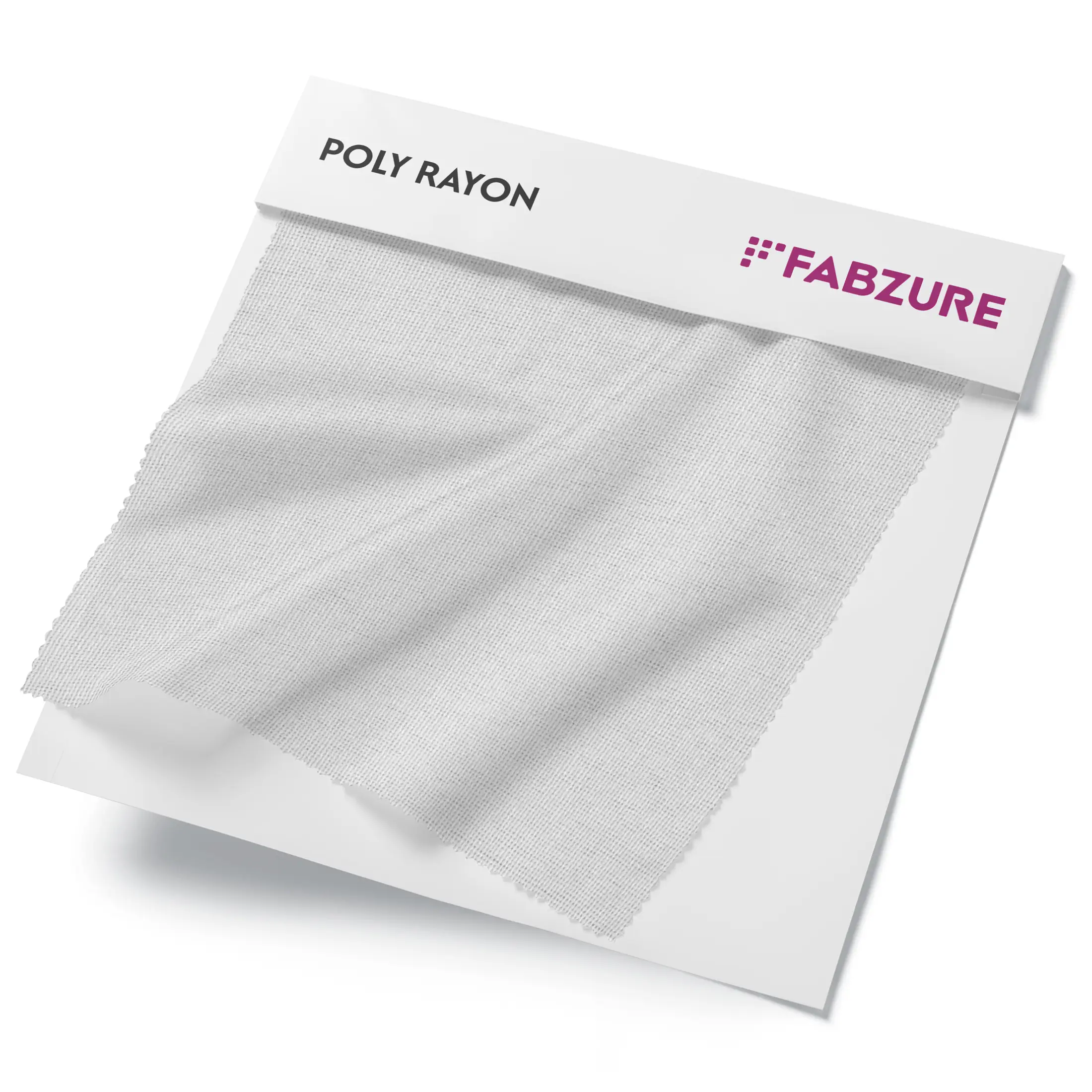
Poly Rayon blends polyester's durability with rayon's softer drape. It suits everyday dresses and blouses where both softness and easier maintenance matter.
Poly Muslin is a lightweight polyester option that works well for practical printed projects and home textiles where cost and durability are both priorities.
Cotton vs. Polyester: The Key Differences
Breathability and Airflow
Cotton allows air to pass freely through the weave, which helps regulate body temperature in warm conditions. In hot or humid climates, this makes cotton significantly more comfortable for garments worn close to the skin.
Polyester's tighter fiber structure limits airflow. Standard polyester can feel warm and stuffy in hot weather. For anyone choosing fabric for summer garments, cotton is almost always the more practical choice. Our guide to best fabrics for summer dresses covers this in more detail.
Moisture Absorption vs. Moisture Wicking
Cotton absorbs moisture into the fiber. It feels comfortable in dry heat, but once saturated with sweat, a cotton garment stays heavy and damp against the skin until it dries.
Polyester wicks moisture to the surface of the fabric where it evaporates quickly. This gives polyester a clear advantage in activewear, sportswear, and any garment designed for physical effort. The practical rule: cotton for relaxed comfort, polyester when quick-drying performance is the priority.
Durability and Shape Retention
Polyester resists abrasion, pilling, and stretching more effectively than cotton. A polyester garment typically holds its original shape and surface finish longer, which makes it reliable for workwear and uniforms that go through frequent washing.
Cotton is durable, but more susceptible to fiber breakdown with repeated hot washing and heavy use.
Shrinkage and Washing Behavior
Cotton can shrink up to 5% after the first wash, particularly in warm water. If you are cutting patterns before washing, build in a shrinkage allowance of at least 5% in both directions to avoid sizing problems.
Polyester is dimensionally stable. It does not shrink or change shape under normal washing conditions, which makes it more predictable for structured garments where precise sizing matters. For a broader understanding of how fabric weight and structure affect the final garment, our guide to GSM in fabric covers the key variables before you order.
Wrinkle Resistance and Care
Polyester recovers its smooth appearance quickly after washing, packing, or compressing. Cotton wrinkles easily and typically needs ironing to restore a crisp look.
For uniforms, travel clothing, or any garment that needs to look neat with minimal effort, polyester has a clear practical advantage.
Cotton vs Polyester for Printing: What Changes?
The fabric choice changes more than feel. It also changes how the print looks, how colors age, and how the design reads after the garment has been washed several times.
On cotton, the print has a soft, matte finish. Dye absorbs into the fiber and gives colors a natural, grounded depth. Florals, hand-drawn designs, and traditional motifs look warm and organic. The print feels like part of the fabric.
On polyester, the print surface is cleaner and sharper. Fine line work, bold geometric patterns, and high-contrast designs hold their edges more precisely. The result looks structured and defined.
The right question is not which fabric "prints better" in general. It is what the printed design should feel like on the finished garment. Soft and wearable points toward cotton. Sharp and durable points toward polyester.
Understanding how printed colors behave after washing is just as important as the initial print quality. Our guide on why printed fabric colors fade after washing explains what affects print durability across different fiber types.
Which Fabric Should You Choose by Project Type?
Summer dresses and warm-weather garments: Cotton. It breathes, absorbs perspiration, and keeps the wearer comfortable. Cotton Cambric and Poplin are both practical options here.
Activewear and sportswear: Polyester. It dries faster, holds shape through repeated washing, and manages sweat effectively during physical activity.
Children's clothing: Cotton is generally preferred. It feels soft and breathable against the skin for long periods of wear.
Uniforms and workwear: Polyester or polyester blends. They resist wrinkles, dry faster, and hold a clean appearance through heavy daily use without requiring ironing.
Home decor: Cotton suits soft home textiles - cushion covers, table runners, throws - where a warm, natural feel is the goal. Polyester-based fabrics suit structured pieces that need to hold shape and resist wear.
Custom printed fabric: Choose cotton when the design should feel natural, matte, and wearable. Choose polyester when the project needs print clarity, shape retention, and low-maintenance care.
Explore Fabrics Based on Your Project
Which Fabric Costs More?
Cotton is generally more expensive than polyester at equivalent quality levels. The gap varies by fabric grade and order quantity, but premium cotton options - GOTS-certified organic, or finely woven varieties - carry a higher cost that reflects the more intensive growing and processing involved.
For custom printed fabric, the fabric base is only part of the cost. Printing, quantity, and design complexity all affect the final price per meter. Our digitally printed fabric cost guide walks through all the variables that affect what you actually pay when ordering printed fabric.
How to Tell Cotton from Polyester at Home
If you have unlabeled fabric and need to identify it before cutting or ordering more, here are three reliable methods.
The burn test is the most definitive. Hold a small fabric edge near a controlled flame, away from flammable surfaces. Cotton burns steadily, smells like burning paper, and leaves soft gray ash that crumbles.
Polyester melts rather than burns. It shrinks from the flame, produces black sooty smoke, smells like burning plastic, and leaves a hard bead where the fiber melted. If the residue is hard and bead-like, the fabric contains synthetic fiber.
The crumple test requires no tools. Scrunch a section of the fabric in your fist, hold for a few seconds, then release. Cotton holds the crease and wrinkles visibly. Polyester springs back with little to no creasing.
The static test is the quickest check. Rub the fabric vigorously against itself for a few seconds. Polyester generates static and clings to itself or attracts lint. Cotton produces very little static.
Environmental Impact: Which Is More Sustainable?
Neither cotton nor polyester is straightforwardly sustainable. They carry different environmental burdens at different stages of their lifecycle.
Cotton is natural and biodegradable, but conventional cotton farming can require significant water and agricultural resources. Organic cotton reduces many of these concerns. Look for GOTS certification to verify organic sourcing and OEKO-TEX Standard 100 to confirm the fabric has been tested free of harmful chemical residues.
Polyester is durable and long-lasting, but it is synthetic and can shed microfibers during washing that are small enough to pass through wastewater treatment and enter waterways. Recycled polyester (rPET) reduces reliance on virgin material, but does not eliminate microfiber shedding. Look for GRS (Global Recycled Standard) certification to verify recycled content claims.
The most practical way to think about sustainability is not only fiber origin. A fabric that lasts longer and performs well for the project can sometimes be the more responsible choice than one chosen only because it sounds better on paper.
What About Cotton-Polyester Blends?
A 50/50 cotton-polyester blend offers a practical middle ground. It is more breathable than 100% polyester, more durable and wrinkle-resistant than 100% cotton, and easier to care for than either. It holds printed designs well and is the standard choice for quality casual t-shirts and everyday workwear.
A 65/35 polyester-cotton blend leans toward polyester's performance: more wrinkle-resistant, faster-drying, and more durable through repeated washing, while retaining some of cotton's softness. It is common in uniforms and workwear that must maintain a clean appearance through heavy daily use.
Before You Order, Check These Six Things
- Will the fabric touch skin for long hours? If comfort and breathability matter most, cotton is usually the safer choice.
- Will the garment face sweat or frequent washing? If quick drying, shape retention, and easy care matter most, polyester is usually more practical.
- Does the print need a natural or sharp look? Cotton gives a softer, matte result. Polyester gives a cleaner, more stable printed surface.
- Does the product need to stay wrinkle-free? Polyester is better for low-maintenance garments, uniforms, and travel clothing.
- Will shrinkage affect the final size? Cotton can shrink after washing. Polyester is more stable and predictable.
- Have you checked the live fabric details? Before ordering, compare fabric type, project use, quantity requirement, care needs, and live fabric specifications on the product page.
Popular Fabric Design Picks


How Fabzure Helps You Choose
Fabzure offers digitally printed fabric across both cotton-based and polyester-based options. You can upload your own artwork, browse curated design collections, compare available fabric specifications, and start with the minimum order quantity for the fabric that best fits your project before scaling to a larger order.
If your project needs breathability and a natural feel, cotton options like Cotton Cambric or Poplin are a strong starting point. If it needs structure, wrinkle resistance, or a sharper print surface, polyester options like American Crape, Poly Rayon, or Poly Muslin may be more suitable.
Explore the full fabric collection or review the ordering process at how it works.
Ready to Choose the Right Fabric for Your Design?
Once you understand how cotton and polyester behave differently, the next step is matching the right fabric to your actual project. Think about how the fabric will be worn, washed, touched, and used over time. Then choose the option that supports the design beyond the first impression.
Start at fabzure and find the fabric that makes your design perform exactly the way you imagined.
Final Thoughts
Cotton and polyester are not competing for the same job. They are built for different ones. What you are making, who is wearing it, and how it will be used is what determines which fabric belongs in your project. Natural does not automatically mean better, and synthetic does not automatically mean inferior.
Knowing how cotton vs polyester fabric performs across breathability, durability, moisture management, and care helps you make that decision with confidence every time. If you are building a broader framework for fabric selection across more fiber types and end uses, our complete guide to choosing the right fabric for your project covers the full decision process in one place.
.webp)