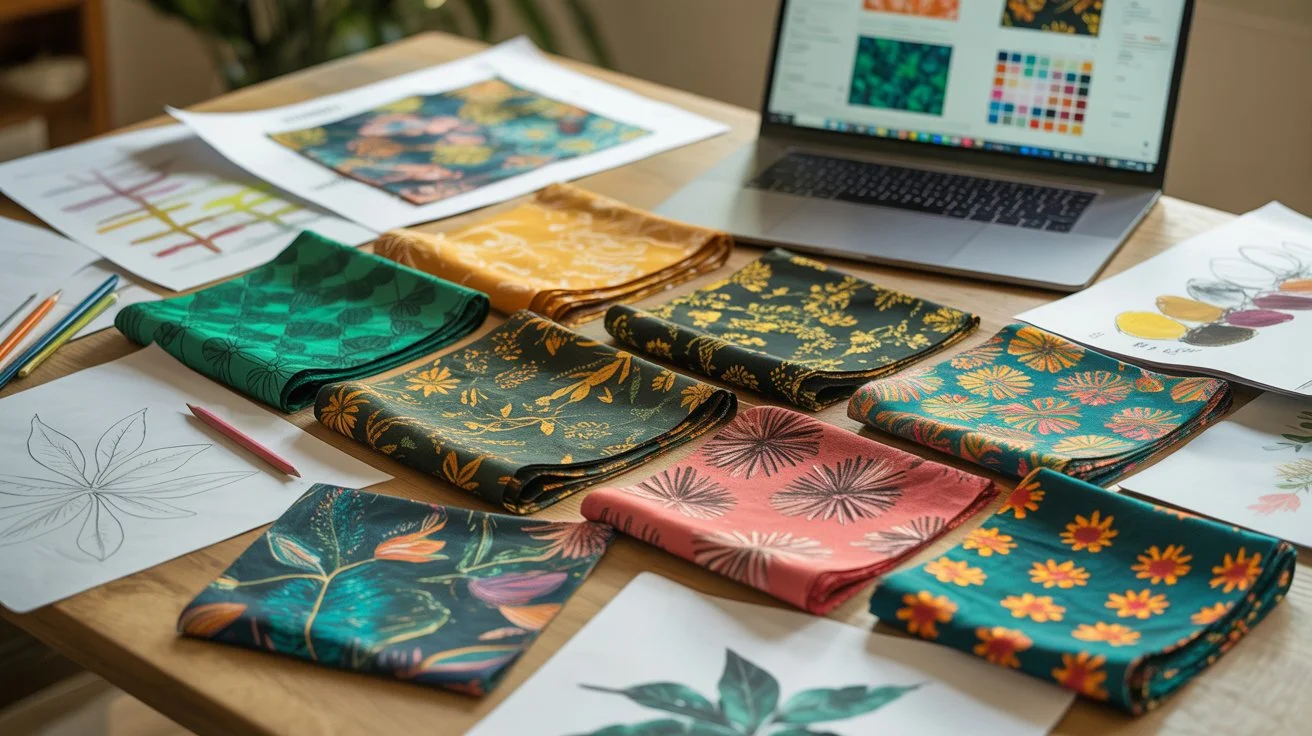

Choosing the right fabric is the decision that shapes everything else in your project. The wrong fabric can make a beautifully designed dress feel stiff, a cushion cover look lifeless, or a printed pattern lose its detail after the first wash.
This guide breaks down the five fabric properties that actually determine how your project turns out: weight, drape, breathability, stretch, and texture. You'll learn how to match fabric types to specific projects, from summer dresses and evening wear to home decor and quilting, so you're making informed choices instead of guessing.
Whether you're a fashion designer sourcing fabric for a collection, a home decor enthusiast working on a custom project, or a beginner choosing fabric for the first time, this is the fabric selection guide that gives you a clear decision framework instead of vague advice.
You've spent days perfecting a design. The pattern is exactly right, the colors are balanced, and you can already picture the finished piece. So you pick a fabric that looks good in the product photo, order a few meters, and start cutting.
Then something goes wrong. The fabric is too stiff for the drape you wanted. Or it's so lightweight that the print shows through to the other side. Or the colors look dull because the fabric doesn't absorb ink the way you expected. The design was never the problem. The fabric was.
This is the mistake that catches beginners and experienced makers alike: treating fabric choice as a secondary decision when it should be the first one. Knowing how to choose the right fabric isn't about picking whatever looks or feels nice. It's about understanding what the fabric needs to do, how it needs to behave, and what it needs to survive across wears and washes.
Why Fabric Choice Matters More Than You Think
Most people focus on design, color, and pattern when planning a project. Fabric gets treated like a background detail. But fabric is the medium that carries everything else. A stunning floral print on the wrong fabric won't drape the way you imagined. A perfectly structured blazer in fabric that's too soft will lose its shape within hours.
The real cost of choosing wrong isn't just the wasted material. It's the time spent cutting, sewing, and finishing a project that never looks or feels the way it should. According to a Textile Research Journal study on fabric hand and consumer perception, fabric tactile properties influence how consumers judge garment quality more than visual appearance alone. In other words, people feel quality before they see it.
Popular Fabric Design Picks
Here's what most fabric selection guides won't tell you: the "best" fabric doesn't exist in isolation. The best fabric is always the best fabric for a specific project, in a specific climate, for a specific purpose. A fabric that's perfect for a flowing summer dress would be a terrible choice for structured trousers. Understanding this principle is what separates confident fabric selection from trial and error.
Fabric choice also directly affects print quality if you're working with digitally printed fabric. Tightly woven natural fibers like cotton absorb ink more evenly and produce sharper detail than loosely woven synthetics. If your project involves custom prints, the fabric type you choose will determine how vibrant, detailed, and long-lasting the printed design looks on the finished piece.
The Five Fabric Properties That Shape Every Project
Before looking at specific fabric types, you need to understand the five properties that determine how any fabric behaves. These properties are the foundation of every good fabric selection guide, and once you understand them, choosing the right fabric becomes a structured decision rather than a guess.
Weight (GSM): The Number That Tells You More Than You Think
GSM (grams per square meter) is the standard measurement of fabric weight. It tells you how heavy or light a fabric is per unit area, and it's the single most reliable indicator of what a fabric can and can't do.
Fabrics under 100 GSM are sheer and delicate, suited for layering, scarves, and lightweight summer pieces. Fabrics between 100 and 200 GSM cover the widest range of clothing projects, from dresses and blouses to light trousers. Fabrics above 200 GSM move into upholstery, heavy outerwear, and structured garments.
The common mistake is assuming higher GSM always means better quality. It doesn't. A 60 GSM Weightless Georgette is exactly right for a flowing evening gown, while a 200 GSM Poly Linen would make the same design look heavy and shapeless. GSM isn't about quality; it's about fit for purpose.
Drape: How Fabric Falls Changes Everything
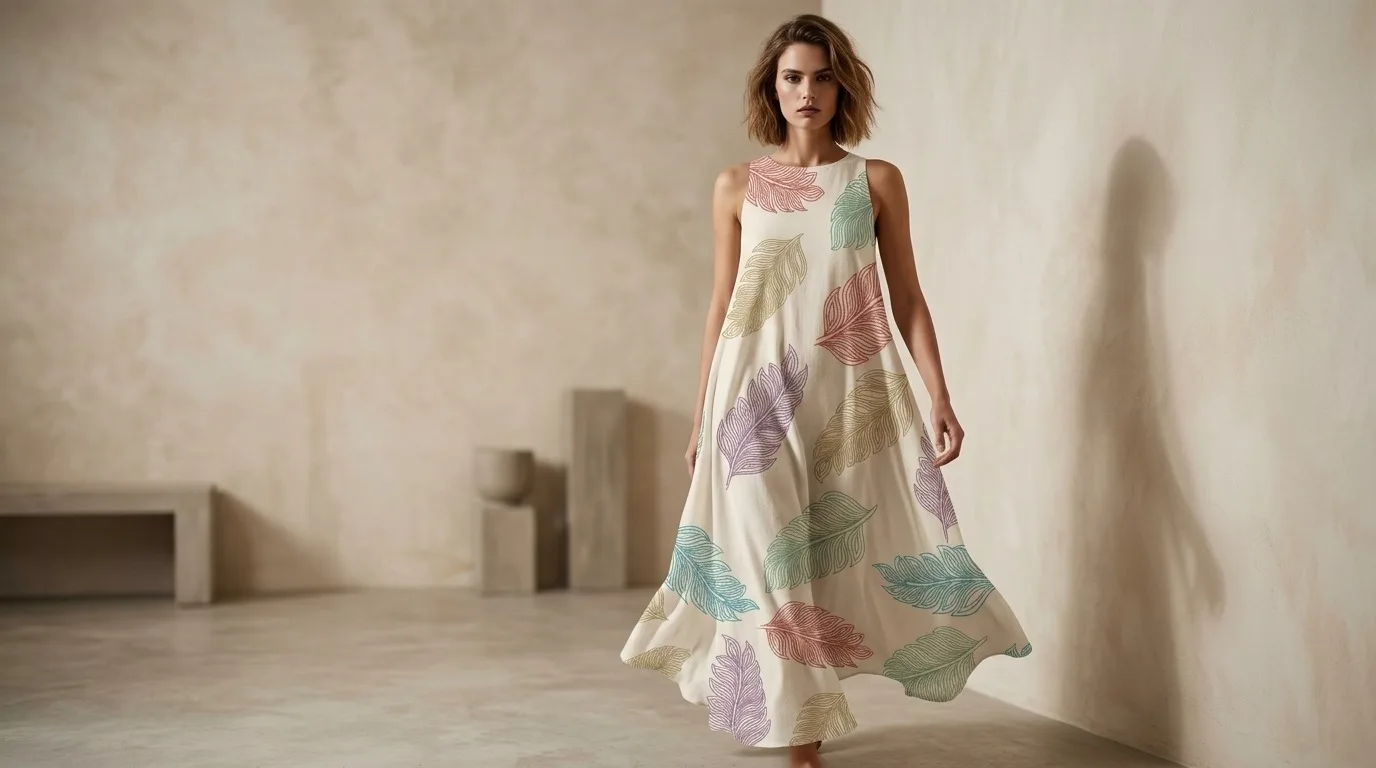
Drape describes how a fabric hangs and flows when it falls from a surface. High-drape fabrics like georgette and satin cascade smoothly and follow body contours. Low-drape fabrics like linen and poplin hold their shape and create structure.
Think of drape as a spectrum. On one end, you have fluid fabrics that move with the body. On the other end, you have structured fabrics that hold a silhouette. Most projects sit somewhere along this spectrum, and identifying where yours falls is the fastest way to narrow your fabric options.
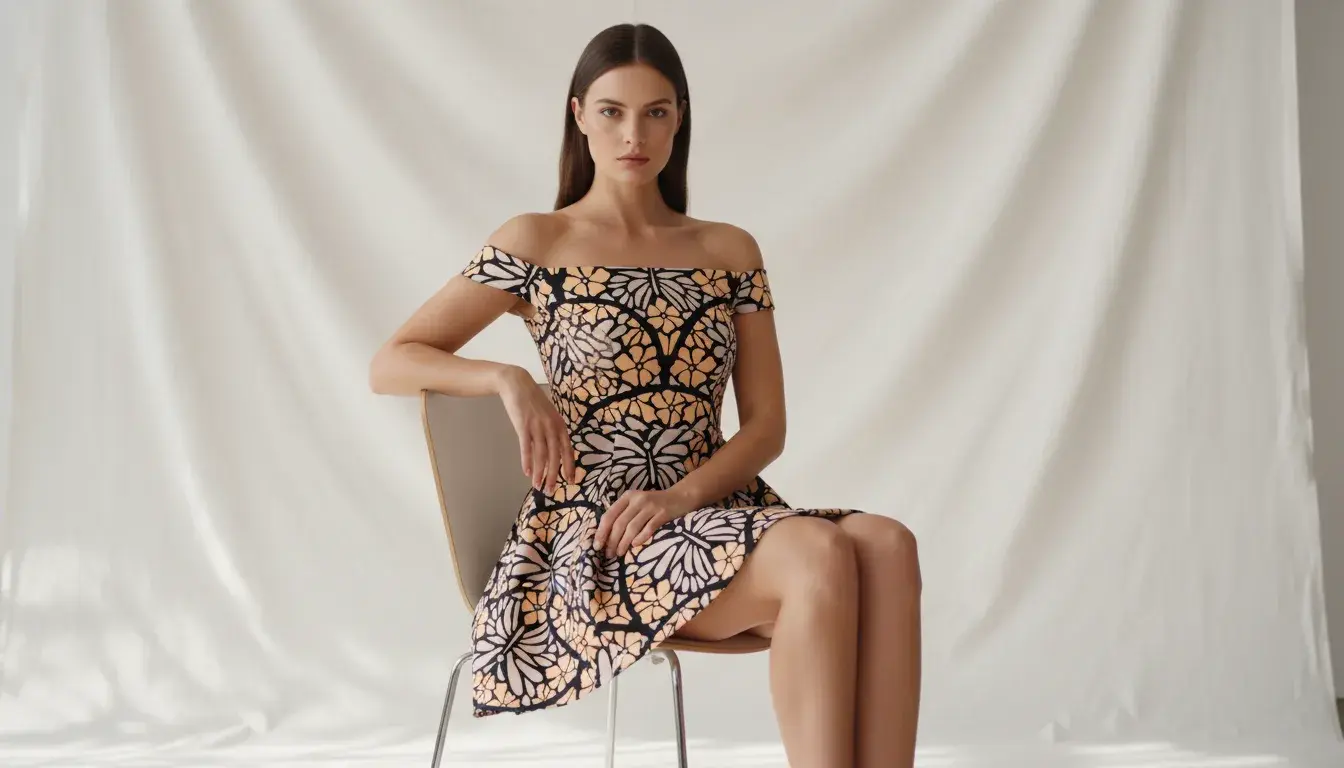
For flowing garments like maxi dresses, draped tops, and evening wear, you need fabrics on the fluid end: satin, georgette, crepe. For tailored pieces like blazers, A-line skirts, and structured bags, you need fabrics on the structured end: poplin, linen, cambric.
Breathability: Comfort You Can't See but Always Feel
Breathability is a fabric's ability to allow air and moisture to pass through it. This matters most for clothing worn in warm climates or during physical activity, but it also affects home decor projects like curtains and bedding.
Natural fibers generally breathe better than synthetics. Cotton Cambric and Viscose Rayon are highly breathable, making them popular for summer clothing and warm-weather wear. Polyester blends trade some breathability for durability and wrinkle resistance, which can be the right trade-off for projects where easy maintenance matters more than airflow.
Stretch: Flexibility Isn't Always an Advantage
Stretch determines how much a fabric gives when pulled. Fabrics with natural or added stretch (like jersey or spandex blends) conform to the body and allow movement. Non-stretch fabrics hold their cut shape more precisely.
For fitted clothing, some stretch helps the garment move with the wearer. But for printed fabric projects, excessive stretch can distort the print, pulling patterns out of alignment at stress points. If your project involves a detailed repeat pattern, a stable, non-stretch fabric will keep the design intact across every panel.
Texture and Hand Feel: The Quality Signal
Texture is what you feel when you touch the fabric, often called the "hand" of the fabric. It's the combination of surface smoothness, softness, and body that tells your fingers whether a fabric feels premium or cheap.
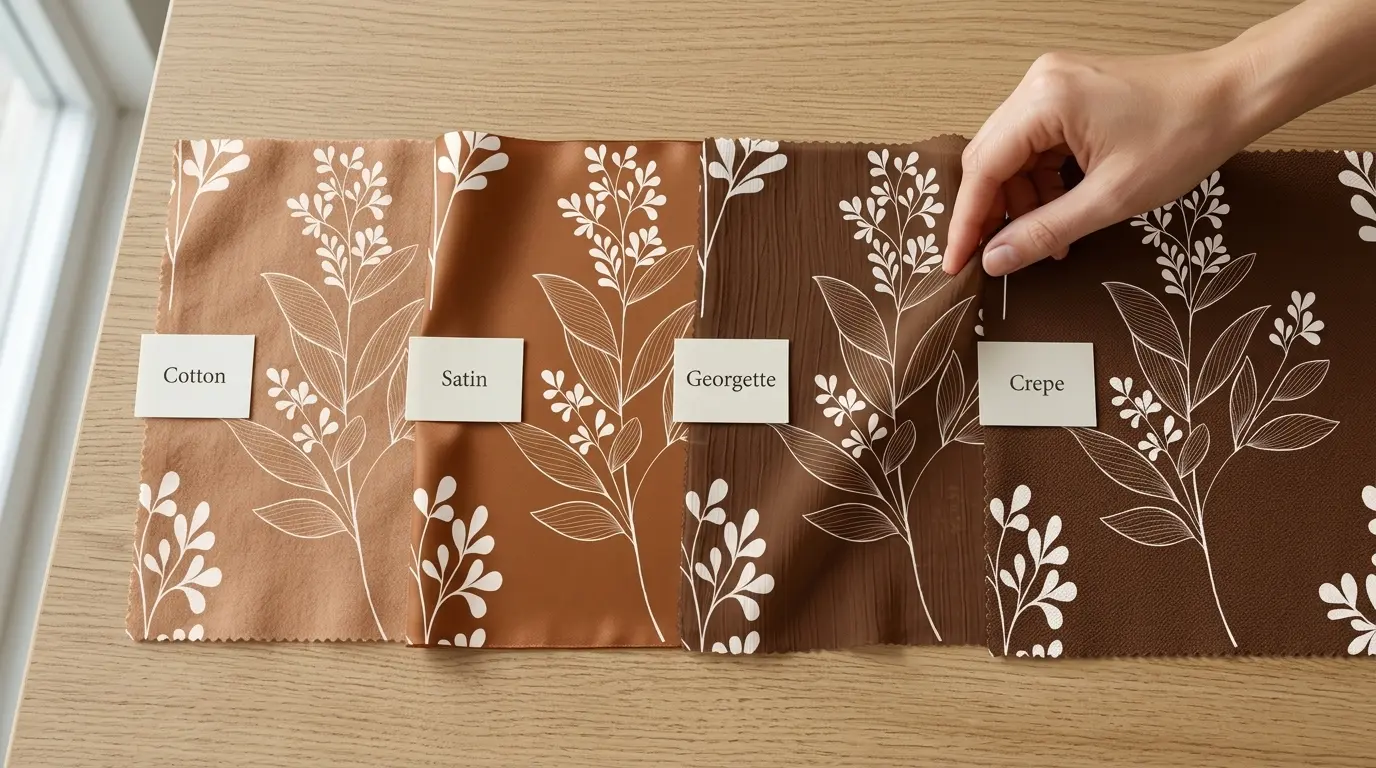
Smooth, lustrous fabrics like Bemberg Satin and Japan Satin communicate luxury and work well for evening wear and accessories. Textured fabrics like Natural Crepe and linen have a more relaxed, artisanal feel suited to casual fashion and bohemian styles. Texture also affects how a printed design appears on the surface: smooth fabrics show crisp, detailed prints, while textured fabrics add a subtle, organic quality to the same design.
Popular Fabric Design Picks
Explore these designs that match the theme of this guide:
- Vintage Botanical Harmony: A nature-inspired botanical pattern that works beautifully across multiple fabric types, showing how the same design changes character on cotton versus satin
- Contemporary Abstract Prints: Modern abstract designs that demonstrate how bold patterns pair with structured fabrics for fashion-forward projects
- Minimalist Floral Collection: Subtle, elegant florals that suit everything from summer dresses to cushion covers, proving that versatile design starts with the right fabric match
How to Choose Fabric by Project Type
Understanding fabric properties is essential, but the real question most people ask is simpler: what's the best fabric for my project? Here's a practical framework organized by project type, so you can go from "I need fabric" to "I need this specific fabric" in minutes.
Fashion and Clothing
Clothing is the broadest category, and the right fabric depends entirely on the garment type, the season, and how formal the piece needs to be.
Summer dresses and lightweight tops need fabrics under 120 GSM with high breathability and good drape. Cotton Cambric at around 60-80 GSM is a reliable choice for casual day dresses. Weightless Georgette works when you want a more flowing, layered look. Both absorb digital prints well and stay comfortable in heat.
Evening wear and occasion pieces call for fabrics with sheen and luxurious drape. Modal Satin offers a rich, smooth surface that catches light beautifully. Bemberg Satin has similar properties with a slightly different texture. If you want subtle movement without high shine, American Crape gives you elegant drape with a matte finish.
Casual everyday wear benefits from mid-weight fabrics that balance comfort with durability. Poplin is a workhorse here: smooth, crisp, and easy to sew. Poly Rayon blends the softness of rayon with polyester's wrinkle resistance, making it practical for garments that need to look good without constant ironing.
Ethnic and traditional wear often requires fabrics that can handle detailed prints and rich color palettes. Viscose Organza adds a sheer, layered effect ideal for dupattas and overlay pieces. For kurtas and salwar suits, cotton cambric or Poly Muslin provide the softness and breathability these garments need. Browse traditional design collections to see how heritage patterns translate onto different fabrics.
Home Decor: Curtains, Cushions, and Upholstery
Home decor fabric needs to handle daily use, sunlight exposure, and regular cleaning. The requirements are different from clothing, and the wrong choice shows fast.
Curtains need fabrics with enough body to hang well but enough softness to drape in folds. Poly Linen is one of the most versatile curtain fabrics because it has natural texture, holds its shape on a rod, and filters light without blocking it completely. For sheer curtains, viscose organza creates a delicate, translucent effect.
Cushion covers and throws require fabrics that can handle friction, washing, and constant handling. Mid-weight fabrics between 120 and 200 GSM work best. Poplin and poly rayon are strong choices because they hold printed designs crisply and withstand regular machine washing.
Upholstery fabric for chairs and headboards needs to be the heaviest and most durable option. Poly linen at the higher end of the GSM range provides the structure and abrasion resistance that upholstered pieces demand. Look for fabrics above 150 GSM and test a swatch before committing to a full order.
Accessories: Bags, Scarves, and More
Accessories cover a wide range, but the general rule is to match the fabric weight to the item's structure.
Tote bags and pouches need sturdy, structured fabrics. Poplin and poly linen are reliable choices. They hold their shape, absorb prints evenly, and survive the daily wear that bags endure. Scarves and wraps need the opposite: lightweight, fluid fabrics like weightless georgette or viscose rayon that drape softly around the neck and shoulders.
Quilting and Craft Projects
Quilters need fabrics that cut cleanly, hold a crease, and sew predictably. Cotton Cambric is the gold standard for quilting because it's stable, easy to press, and takes printed patterns with excellent color accuracy. Its consistent weave makes it forgiving for beginners and reliable for experienced quilters working on complex designs.
For patchwork projects, consistency across fabric pieces matters more than any single property. Using the same fabric type for all pieces ensures uniform shrinkage, drape, and weight across the finished quilt. Mixing fabric types in a quilt can create uneven tension and puckering that no amount of pressing will fix.
Fabric Types at a Glance: What Each One Does Best
Here is a practical reference for all 13 digitally printable fabric types, organized by what they're best suited for. Use this as your fabric types guide when narrowing down options for any project.
Lightweight fabrics (under 100 GSM):
- Weightless Georgette: Flowing drape, semi-sheer, ideal for layered evening wear and summer garments
- Viscose Organza: Sheer with a crisp finish, perfect for overlays, dupattas, and decorative accents
- Cotton Cambric: Breathable, stable weave, the go-to for summer dresses, quilting, and everyday clothing
Mid-weight fabrics (100-150 GSM):
- Poplin: Smooth, crisp finish, versatile for shirts, dresses, and structured projects
- Poly Muslin: Soft and lightweight with a gentle drape, great for casual clothing and layered designs
- Poly Rayon: Soft hand feel with wrinkle resistance, excellent for everyday garments
- Viscose Rayon: Silky texture, high breathability, beautiful for blouses and flowy dresses
- Natural Crepe: Textured surface with elegant drape, suited for formal and semi-formal wear
Heavier fabrics (150+ GSM):
- Poly Linen: Textured, structured, ideal for home decor, curtains, bags, and upholstery
- Bemberg Satin: Lustrous, smooth, luxurious feel for evening wear and high-end accessories
- Japan Satin: Rich sheen with substantial body, works for occasion wear and premium projects
- Modal Satin: Silky smooth with excellent drape, perfect for gowns, scarves, and formal pieces
- American Crape: Matte finish, graceful drape, suited for elegant daywear and flowy garments
Each fabric type handles digital prints differently. Smooth, tightly woven fabrics like satin and poplin produce the sharpest, most vibrant prints. Textured fabrics like crepe and linen give prints a softer, more organic appearance. Neither is better. The right choice depends on the visual effect you want.
The Fabric Selection Mistakes That Cost You Time and Money
Even experienced makers fall into these traps. Knowing them in advance saves you wasted fabric, time, and frustration.
Choosing fabric by appearance alone. A fabric can look gorgeous on screen or even on a bolt, but if it doesn't have the right weight and drape for your project, the finished piece won't match your vision. Always check the GSM and drape characteristics before committing.
Ignoring how fabric behaves after washing. Some fabrics shrink, some lose their sheen, and some change their hand feel after the first wash. According to the International Fabricare Institute, cotton fabrics can shrink up to 5% on the first wash if not pre-treated. Pre-wash a swatch if you're unsure, especially for garments that will be laundered frequently. Understanding why printed fabric colors fade helps you choose fabrics and care routines that preserve your work.
Using the same fabric for everything. A fabric that worked brilliantly for a dress won't necessarily work for curtains. Every project has different demands for weight, durability, and drape. Treat each project as a fresh fabric decision.
Skipping the swatch stage. Ordering a full run of fabric without testing a swatch is a gamble. Even when you know the fabric type, colors can look different on different substrates, and the hand feel may surprise you. A swatch costs almost nothing compared to meters of unusable fabric.
How Fabzure Helps You Find the Right Fabric
Choosing fabric is easier when you can see your actual design on the fabric before you buy. This is where platforms like Fabzure make a real difference.
Fabzure lets you upload your own design and preview it across 13 different fabric types. Instead of guessing whether your floral pattern will look better on cotton cambric or modal satin, you see it on both and make a confident decision. You can also browse Fabzure's curated design collections to find ready-to-print patterns if you're looking for design inspiration.
For makers who need to test before committing, ordering a small quantity lets you feel the fabric, check the print quality, and confirm the drape before scaling up. There's no massive minimum order standing between you and the right fabric. Fabzure ships to 25+ countries, so wherever your studio or workshop is, the fabric library is accessible.
The platform is built around the decision this guide helps you make: matching the right design to the right fabric for the right project. Once you know what your project needs, Fabzure gives you the tools to make it happen.
Ready to Find the Perfect Fabric for Your Project?
Now that you know how to evaluate fabric weight, drape, breathability, and texture, the next step is to see these fabrics with your own design on them. Browse Fabzure's 13 fabric types, upload your design, and preview it on the fabrics that match your project. Whether you need five meters for a sample or a full production run, the process is the same: choose, preview, order.
Final Thoughts
The difference between a project that looks "fine" and one that looks exactly the way you imagined almost always comes down to fabric. Not the design, not the stitching, not the pattern. The fabric.
What makes fabric selection genuinely difficult isn't a lack of options. It's the opposite. There are too many options, and without a clear framework for evaluating them, every choice feels like a gamble. The five properties covered in this guide, weight, drape, breathability, stretch, and texture, give you that framework. Once you learn to evaluate fabric through these lenses, the right choice starts to feel obvious rather than overwhelming.
Start your next project with the fabric, not the pattern. Explore Fabzure's fabric collection and see how the right fabric transforms your creative vision into something you can touch, wear, and be proud of.