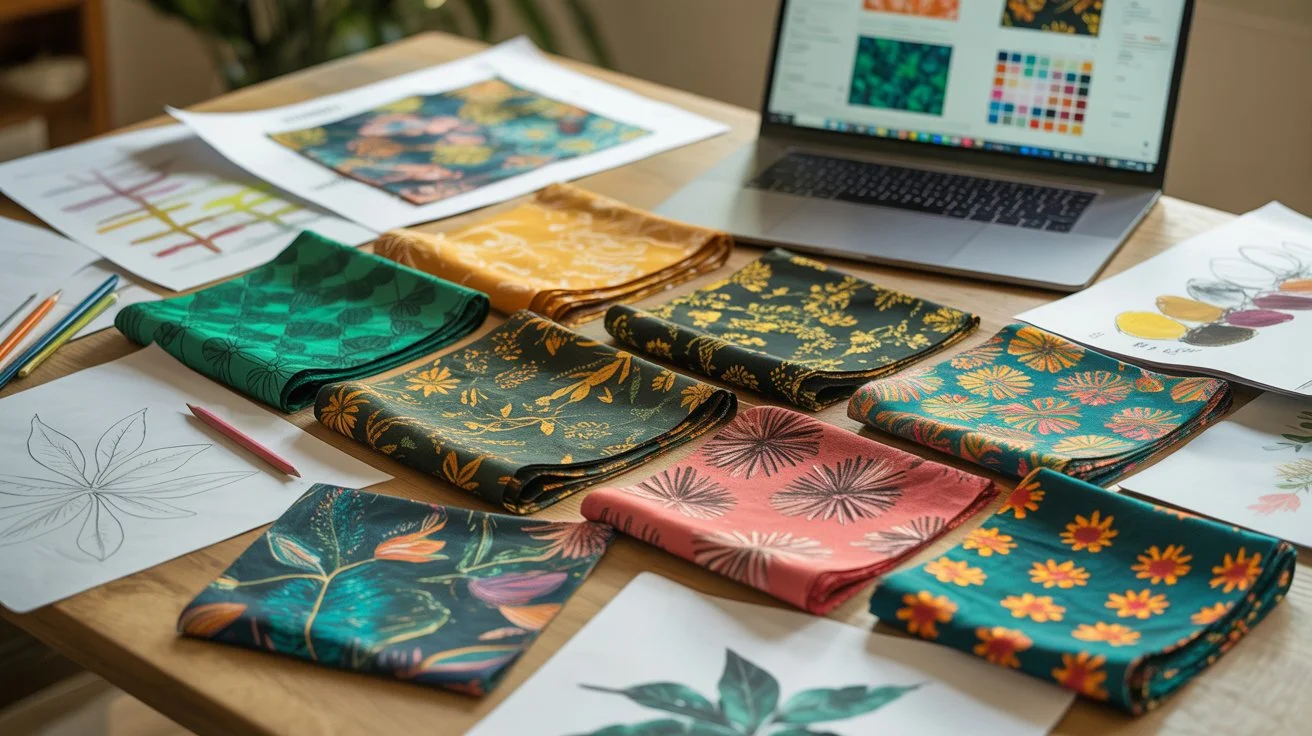

Buying digital print fabric online can feel overwhelming when you don't know what to look for. Between fabric types, print quality, minimum orders, and shipping logistics, there are real decisions that affect whether you end up with fabric you love or fabric you regret.
This guide walks you through everything you need to know before placing your first (or next) order. You'll learn how to evaluate fabric types for your project, what to check before uploading or selecting a design, how pricing works, and what separates a reliable online fabric source from a risky one.
Whether you're a fashion designer building a collection, a home decor creator sourcing custom prints, or someone who simply wants a unique fabric that doesn't exist in stores, this is the guide that gets you from browsing to buying with confidence.
You've been scrolling through fabric websites for an hour. Every site looks polished, every product photo looks gorgeous, and every description promises "premium quality." But you've been here before. You ordered printed fabric online once, and the colors looked nothing like the preview. Or the fabric felt cheap. Or the minimum order was buried in the fine print, and you ended up with 50 meters of a design you weren't even sure about.
Buying digital print fabric online is not the same as picking fabric off a shelf. You can't touch it, you can't hold it up to the light, and you can't compare drape by running it through your fingers. That's why knowing what to look for, what to ask, and what to avoid matters more online than it does in any physical store.
This guide exists to give you that knowledge. By the end, you'll know exactly how to evaluate digital print fabric before you buy, which fabric types work for which projects, how to avoid the most common buying mistakes, and where the real value lies in online fabric shopping.
What Is Digital Print Fabric and Why Buy It Online?
Digital print fabric is fabric that has been printed using industrial inkjet technology, where digital designs are transferred directly onto the textile surface. Unlike screen printing, which requires separate screens for each color, digital printing reproduces the full design in a single pass with virtually unlimited color range.
This matters for buyers because it means you're not limited to what a store stocks. You can buy fabric with any design, in any color combination, printed on a fabric type that actually suits your project. That level of customization used to require factory relationships and bulk commitments. Online platforms have changed that.
Popular Fabric Design Picks
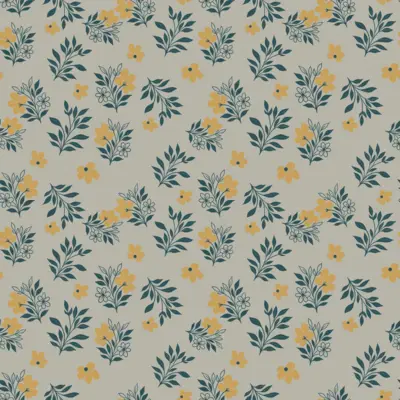
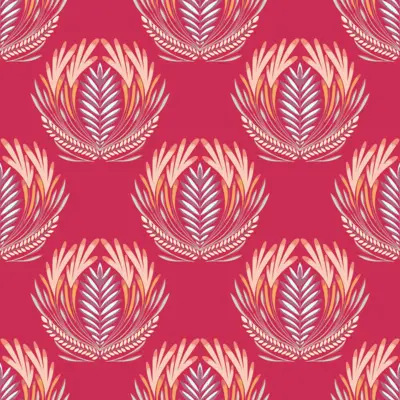
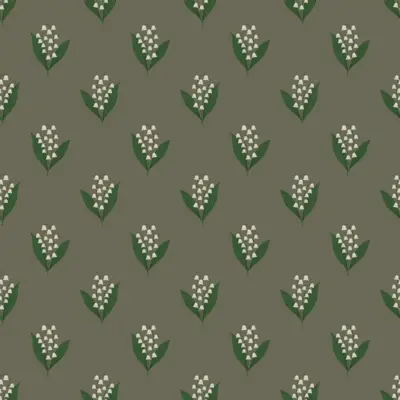
The reason buying online makes sense for digital print fabric specifically is that the product is inherently visual and customizable. You choose a design (or upload your own), select a fabric type, and the fabric is printed to order. Physical stores can't offer this because they carry pre-printed inventory. Online is where the full range of digital print fabric actually lives.
Who Buys Digital Print Fabric Online?
The audience is broader than most people realize. Fashion designers source custom prints for collections. Interior designers order specific patterns for curtains, cushions, and upholstery. Etsy sellers need unique fabrics that set their products apart. Quilters want prints they can't find at chain fabric stores. Even corporate teams order branded fabric for events and merchandise.
What they all share is a need for fabric that doesn't exist on a shelf somewhere. If you need something specific, printed on the right fabric, in the right quantity, buying digital print fabric online is the most practical path.
How to Choose the Right Fabric Type for Your Project
This is where most first-time buyers make their biggest mistake. They focus entirely on the design and forget that the fabric underneath determines how the final product looks, feels, and performs. A stunning floral pattern printed on the wrong fabric can look dull, feel stiff, or drape poorly.
Fabric Weight and GSM
GSM (grams per square meter) is the standard measurement for fabric weight. It tells you how thick or thin the fabric is, which directly affects how it drapes, breathes, and holds structure.
- Under 100 GSM: Sheer and lightweight. Ideal for scarves, overlays, and layered garments. Weightless Georgette and Viscose Organza fall in this range.
- 100-150 GSM: Light to medium weight. Works for summer dresses, blouses, and flowy garments. Cotton Cambric, Poly Muslin, and Natural Crepe are strong choices here.
- 150-250 GSM: Medium weight. Good for structured garments, home decor, and accessories. Poplin, Poly Linen, and Poly Rayon fit this range.
- 250+ GSM: Heavy weight. Best for upholstery, bags, and structured home furnishings.
If you're unsure, start with the end use. A summer dress needs breathability and drape (low GSM). A cushion cover needs structure and durability (higher GSM). Understanding fabric weight helps you get specific about which range suits your project.
Fabric Finish and Drape
Weight alone doesn't tell the full story. Two fabrics at the same GSM can behave completely differently depending on their weave and finish.
- Satin weaves (Bemberg Satin, Japan Satin, Modal Satin) have a smooth, glossy surface that catches light beautifully. They're ideal for evening wear, linings, and anything that needs a luxurious feel.
- Crepe weaves (Natural Crepe, American Crape) have a slightly textured surface that gives garments a more relaxed, matte appearance with elegant drape.
- Plain weaves (Cotton Cambric, Poplin) are versatile workhorses that take prints crisply and work across fashion, quilting, and home decor.
Choosing between these comes down to the look and feel you want in the final product. Choosing between these comes down to the look and feel you want in the final product.
Matching Fabric to Project Type
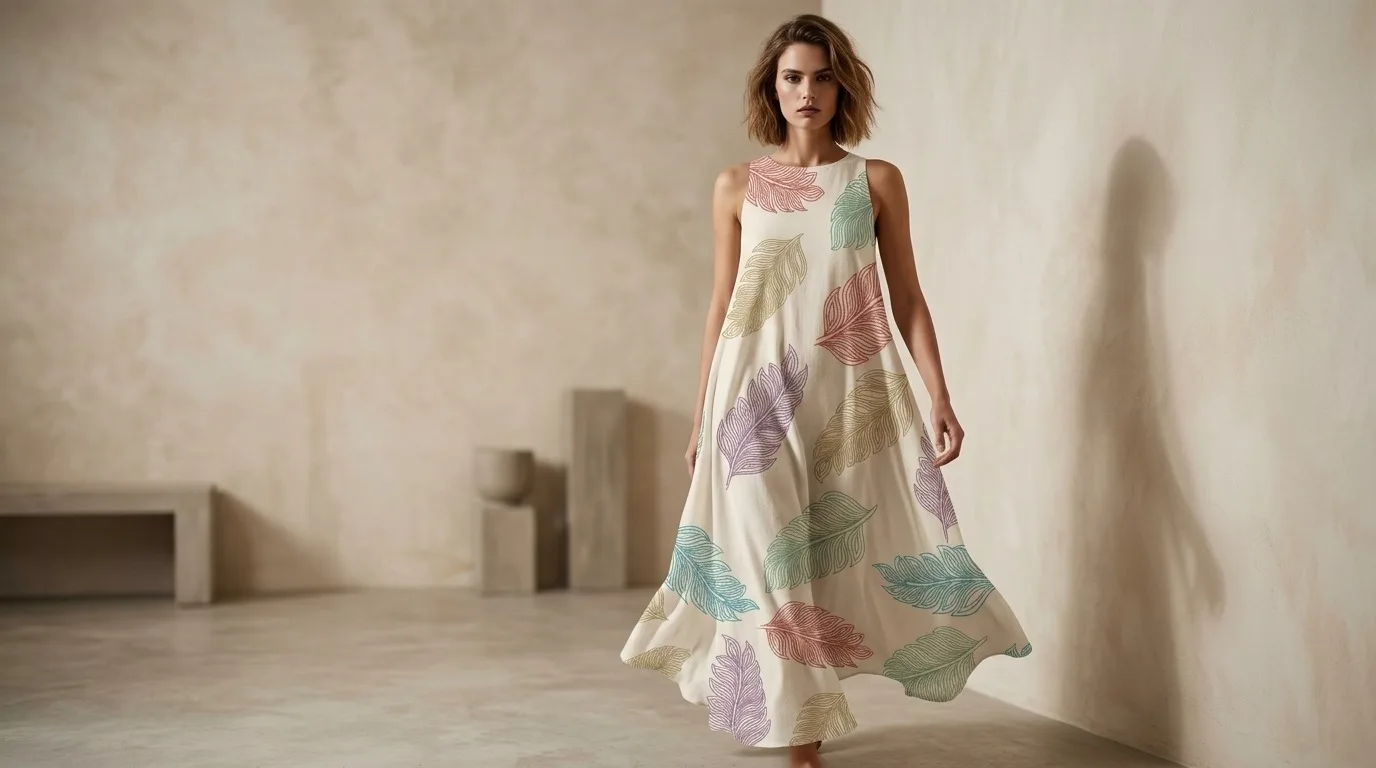
If you're making summer dresses and tops, reach for Cotton Cambric, Weightless Georgette, or Poly Muslin. These fabrics are breathable, lightweight, and drape comfortably against skin in warm weather.
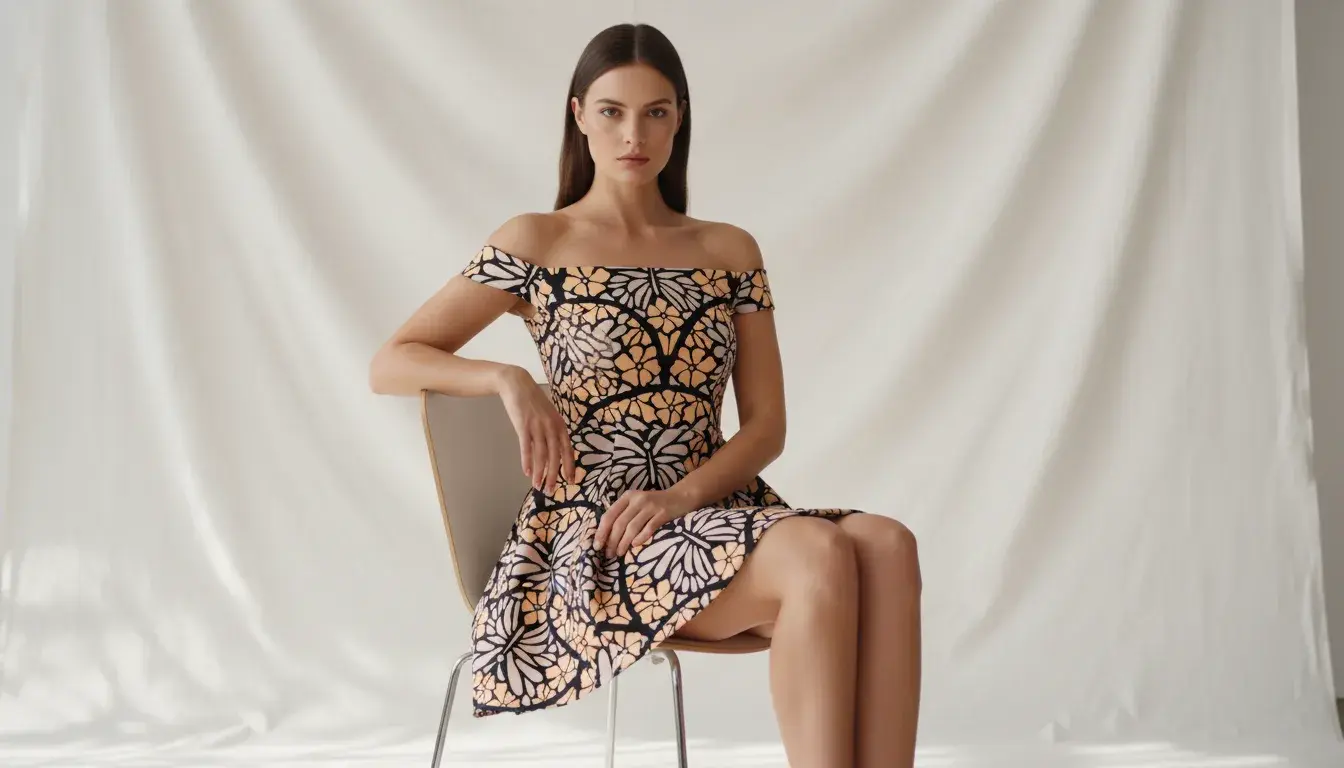
For evening and formal wear, Bemberg Satin, Japan Satin, and Modal Satin give you that luxurious sheen and smooth hand feel that elevated garments demand. The way these fabrics catch light makes printed designs look richer and more polished.
Home decor projects like curtains, cushions, and upholstery need fabrics with enough structure to hold their shape. Poly Linen, Poplin, and Poly Rayon all take prints well and maintain their form after repeated use.
If you're creating scarves and accessories, look at Viscose Organza and Weightless Georgette. Their sheer, lightweight quality produces beautiful color saturation that makes accessories feel premium.
Quilting and craft projects work best with Cotton Cambric and Poplin. Both deliver crisp print quality with clean edges, and they're easy to cut, piece, and sew.
For ethnic and festive wear, Natural Crepe, Viscose Rayon, and American Crape offer rich texture and beautiful drape that complement traditional silhouettes.
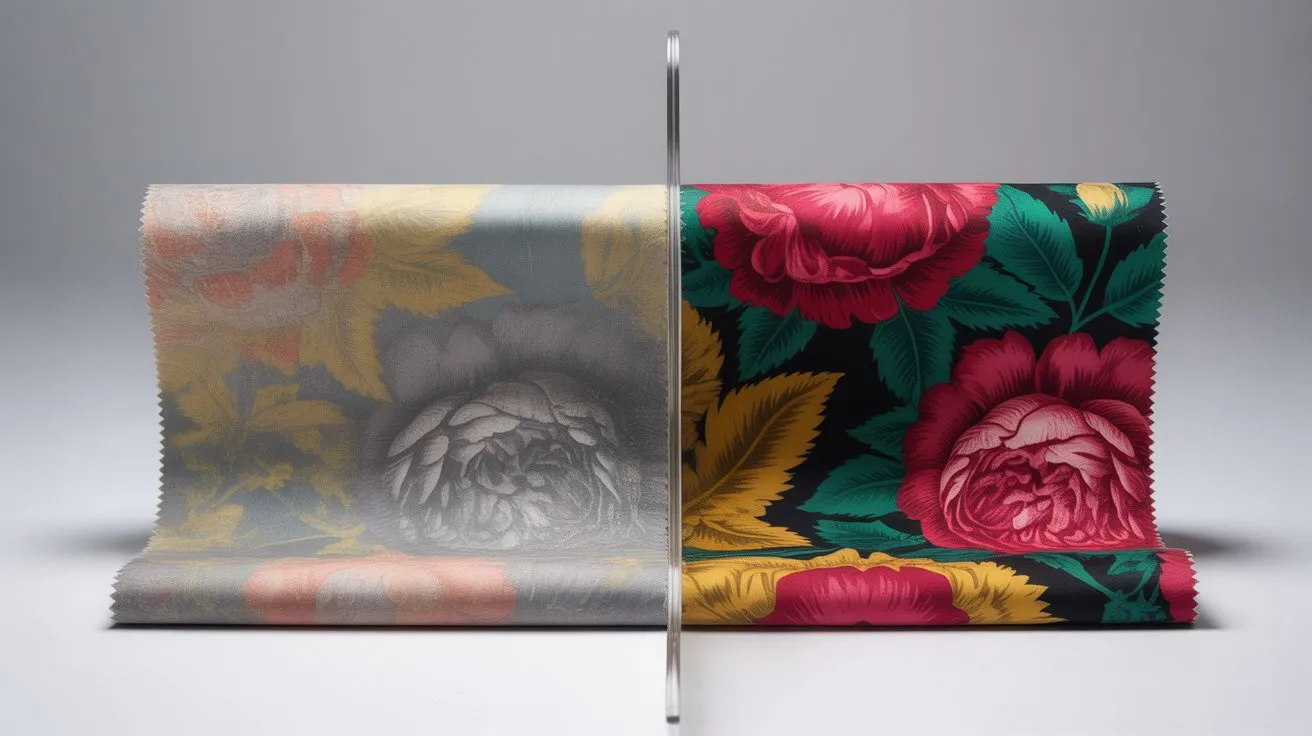
This isn't guesswork. Each fabric type absorbs and displays ink differently, which means the same design will look slightly different on cotton than it does on satin. Knowing this before you order saves you from expensive surprises. Knowing this before you order saves you from expensive surprises.
Popular Fabric Design Picks
Explore these designs that match the range of what's available when you shop printed fabric online:
- Minimalist Florals Collection - Clean, modern floral prints that work beautifully on lightweight fabrics for summer garments and accessories
- Contemporary Designs Collection - Bold, trend-forward patterns perfect for fashion-forward collections and statement home decor pieces
- Nature Inspired Collection - Organic botanical and nature motifs that translate well across fabric types, from cotton to satin
Uploading Your Own Design vs Choosing From Collections
One of the biggest advantages of buying digital print fabric online is that you're not stuck with whatever designs are available. You have two paths, and each serves a different need.
Uploading Your Own Design
This is for buyers who already have a specific design, pattern, or artwork they want printed on fabric. You upload your digital file, the platform shows you a preview of how it will look on your chosen fabric, and you order exactly what you need.
This path works best for fashion designers creating original collections, artists turning illustrations into fabric, and businesses printing branded patterns. The key requirement is having a print-ready file. If you're unsure about file formats, resolution, or repeat settings, make sure your file is at least 300 DPI in RGB color mode before uploading.
Choosing From Curated Collections
Not everyone has a design ready to go, and that's completely fine. Curated design collections give you access to thousands of print-ready patterns created by designers. You browse by category, color, theme, or style, find a design you love, and order it on your preferred fabric type.
This path is ideal for buyers who want unique prints but aren't designing from scratch. Quilters looking for specific color palettes, home decor creators seeking coordinating patterns, and fashion brands that need print-ready designs for quick turnarounds all benefit from this approach. Explore all available designs to see the range of options.
Which Path Should You Choose?
If you already have original artwork, a repeating pattern file, or a branded print you need reproduced, uploading your own design is the clear choice. You control every detail of the final fabric, from the pattern to the colors to the scale.
If you don't have a design ready, or if you need to move quickly without spending weeks on design work, curated collections are the faster path. You still get unique printed fabric that stores don't carry, but without the design phase.
And if you're still deciding, both paths work with small orders. Order a meter or two to test a curated design on your chosen fabric, or upload your own design and sample it before scaling up. The important thing is that either way, you end up with printed fabric that you won't find on any store shelf. That's the core value of buying digital print fabric online.
What to Check Before You Place an Order
Knowing what fabric you want is only half the equation. The other half is making sure the platform, the process, and the product meet your standards. Here's what to evaluate before you click "order."
Print Quality Indicators
Not all digital printing is equal. The quality of the print depends on the printer technology, the ink type, and how the fabric is pre-treated before printing. Look for these signals:
- Color accuracy previews. Can you see how your design will look on the specific fabric before ordering? A platform that shows fabric-specific previews is more likely to deliver accurate colors.
- Ink type. Reactive inks bond with natural fibers and produce vibrant, wash-resistant colors. Pigment inks sit on the surface and can crack over time. Dye sublimation works well on synthetic fabrics. Understanding why printed fabric colors fade helps you ask the right questions.
- Resolution. Digital fabric printing should deliver at least 300 DPI for sharp, detailed designs. Anything lower and fine details start to blur.
Minimum Order Requirements
This is where many buyers get stuck. Traditional fabric mills require hundreds or thousands of meters per order. That works for established brands with predictable demand, but it's a dealbreaker for independent designers, small brands, and anyone testing a new design.
The best online platforms let you buy custom printed fabric with no minimum order, or at least with minimums low enough for sampling and small runs. Before committing to any platform, confirm the minimum order quantity in writing. Don't assume a polished website means accessible minimums.
Pricing Transparency
Fabric pricing varies based on fabric type, print complexity, order volume, and shipping destination. A trustworthy platform makes this clear upfront rather than burying costs in checkout.
Look for per-meter pricing that includes printing. Watch for hidden fees: setup charges, design upload fees, or minimum order surcharges. If you're ordering in volume, ask about bulk pricing tiers. Understanding what affects cost helps you set realistic expectations and compare platforms fairly.
Shipping and Delivery
If you're buying printed fabric online, chances are it's shipping to you from somewhere else. Check these details:
- Shipping carriers. Reputable platforms use tracked carriers like FedEx, DHL, or UPS.
- Delivery timeframe. Custom-printed fabric takes time because it's printed after you order. Expect 7-14 days for production plus shipping time.
- International availability. If you're outside the platform's home country, confirm they ship to your location and understand any customs or duties involved. Make sure you understand any customs duties or import taxes that may apply to your country before ordering.
The Most Common Mistakes When Buying Printed Fabric Online
Even experienced buyers make these errors. Knowing them in advance saves you money, time, and frustration.
Choosing Fabric Based on Price Alone
The cheapest fabric per meter is almost never the best value. A low-GSM polyester blend might cost less, but if it doesn't drape correctly, fades after washing, or feels uncomfortable against skin, you'll end up reordering on a better fabric anyway. Think about the end product first, then find the right fabric within your budget.
Ignoring Fabric-Design Compatibility
A detailed, multi-colored design with fine lines looks spectacular on smooth satin but loses definition on textured crepe. A bold geometric pattern pops on crisp poplin but can look flat on sheer georgette. The relationship between your design and your fabric choice matters more than either one alone.
Before ordering a full run, test your design on your chosen fabric. Many platforms offer sample or swatch orders for exactly this reason. If your design has specific patterns like botanicals, preview them on your target fabric before committing to a large order.
Skipping the Sample Order
This is the single most expensive mistake in online fabric buying. You find a design you love, order 20 meters, and discover the color is slightly off or the fabric isn't right for your project. A sample order of 1-2 meters costs a fraction of a full run and tells you everything you need to know about color accuracy, fabric hand feel, print quality, and washability.
Not Checking Wash and Care Requirements
Digital print fabric has specific care requirements that vary by fabric type. Cotton Cambric can handle machine washing. Satin fabrics typically need gentle or hand washing. Some prints hold up to ironing while others need low heat. Ask about care instructions before you order, especially if you're making garments or products that will be washed regularly.
How to Evaluate an Online Fabric Platform
Not every website selling printed fabric online delivers the same experience. Here's a framework for evaluating platforms before you trust them with your order.
The Five-Point Platform Check
- Fabric range. How many fabric types do they offer? A platform with 10+ options gives you flexibility. A platform with 2-3 limits what you can create.
- Design flexibility. Can you upload your own design AND browse existing collections? Both options signal a mature platform.
- Preview capability. Can you see your design on the specific fabric before ordering? This is a quality differentiator that protects you from mismatches.
- Order flexibility. What's the minimum order? Can you order samples? Is there a price difference between small and bulk orders?
- Shipping transparency. Do they clearly state shipping costs, carriers, delivery times, and international availability?
A platform that scores well on all five is worth your business. A platform that's vague on any of these is a risk.
Red Flags to Watch For
- No sample or swatch ordering option
- Vague or hidden pricing (requires quote for basic information)
- No fabric type specifications (GSM, composition, care instructions)
- Stock photos instead of actual printed fabric images
- No clear return or quality guarantee policy
Buying Digital Print Fabric for Different Project Scales
The way you buy printed fabric changes depending on whether you need 2 meters or 200. Here's how to approach each scale.
Small Orders (1-10 meters)
This is sampling territory. You're testing designs, building prototypes, or creating one-of-a-kind pieces. At this scale, per-meter cost matters less than accessibility and quality. Look for platforms that don't penalize small orders with surcharges or inflated per-meter pricing.
Small orders are also how smart buyers build relationships with platforms. Order a few meters, evaluate the quality, and scale up once you're confident.
Medium Orders (10-50 meters)
This is where independent designers and small brands typically operate. You've tested your design, you know it works, and now you need enough fabric for a small production run or a collection launch. At this scale, ask about volume pricing. Even small discounts per meter add up across 30-50 meters.
For fashion designers at this stage, negotiating volume pricing and building a reliable supplier relationship are the two strategies that matter most for growing labels.
Bulk Orders (50+ meters)
Bulk buying is a different game. You need consistent quality across the entire run, reliable delivery timelines, and competitive pricing. The questions change: Can the platform maintain color consistency across 200 meters? What's the turnaround time for large orders? Do they offer custom packaging or labeling?
Businesses buying at scale should focus on negotiating consistent quality guarantees, clear delivery timelines, and volume-based pricing before committing to a supplier.
How Fabzure Makes Buying Digital Print Fabric Simple
This is where the buying experience comes together. Fabzure is a custom fabric printing platform built specifically for the way designers, brands, and creative professionals actually buy fabric.
Here's what makes the process straightforward:
- 13+ premium fabric types to choose from, covering everything from lightweight Cotton Cambric for summer garments to luxurious Bemberg Satin for evening wear. Browse the full range on the fabrics page.
- Upload your own design or browse thousands of curated prints in Fabzure's design collections. Either way, you see a preview of your design on your chosen fabric before you order.
- No prohibitive minimums. Whether you need a few meters for sampling or a full production run, the process is the same. See how it works for the step-by-step breakdown.
- Global shipping to 25+ countries via FedEx, DHL, and UPS. Designers in the US, Europe, Middle East, and Asia all order from the same platform with tracked delivery.
For individual designers, Fabzure removes the barrier between having a design idea and holding printed fabric. For businesses, it offers the consistency and scale that production demands. The platform handles printing, quality inspection, and shipping so you can focus on creating.
Ready to Buy Your First Digital Print Fabric?
Start with a small order. Pick a design you've been thinking about, choose a fabric type that fits your project, and order a sample. That first meter of fabric will tell you more about online fabric buying than any guide ever could.
If you already have a design ready, upload it to Fabzure and preview it on different fabrics. If you're looking for inspiration first, browse the curated design collections and find a print that matches your vision.
Final Thoughts
Buying digital print fabric online isn't complicated once you know what to look for. The fabric type matters as much as the design. Samples save you from expensive mistakes. And the right platform makes the entire process feel effortless instead of risky.
The real shift is this: you're no longer limited to whatever fabric a store happens to carry. You choose the design, you choose the fabric, and you get exactly what your project needs. That's the promise of buying digital print fabric online, and when you do it right, it delivers.