You found a pattern you love, or you have your own artwork ready, and now you want it on fabric you can sew, hang, or sell. Spoonflower is usually the first name that comes up, and for good reason. But plenty of buyers still go looking for a Spoonflower alternative, whether it is for a different fabric range, better shipping to their country, or a platform that simply fits the kind of work they do.
That search can get confusing fast. Most "alternatives" lists throw fifteen or twenty names at you without explaining which one suits a quilter versus a fashion designer versus someone making cushion covers. The platform that is perfect for a small apparel label can be the wrong choice for a home decor project, and the reverse is just as true.
This article takes a more practical approach. We look at what genuinely separates one custom printed fabric platform from another, where Fabzure sits in that landscape as a digital textile design platform to consider, and how the better known competitors stack up so you can match a platform to your actual project.
Quick Answer
Spoonflower alternatives are custom printed fabric platforms where you can buy fabric printed with your own design or a ready made pattern. Fabzure is one option to consider, offering digital textile designs on 13 plus fabric types for fashion, home decor, craft, and creative projects. Other platforms include Contrado, Art of Where, CottonBee, and WeaveUp, each suited to different fabric needs and regions.
Why People Look for Spoonflower Alternatives
Most people searching for a Spoonflower competitor are not unhappy with the idea of print on demand fabric. They are looking for a better fit for one specific need. Understanding which need is driving your search makes the rest of the decision much easier.
The most common reason is fabric range. A designer working on flowing summer wear needs different cloth than someone upholstering a bench, and not every platform carries both. If your project depends on a particular drape, weight, or finish, the available fabric list matters more than anything else.
The second reason is location and shipping. Many well known fabric printing services are based in one region and ship affordably there, but become slow or expensive elsewhere. Buyers in the Middle East, Asia, or parts of Europe often look for a platform that reaches them without long waits or heavy delivery costs.
A third reason is how you want to work. Some makers want to browse a marketplace of ready made designs and order in minutes. Others have their own artwork and want full creative control over what gets printed. The right platform depends on which of those two buyers you are, and many people are a bit of both depending on the day.
Finally, there is project type and scale. A craft hobbyist testing a single panel has very different needs from a small fashion brand ordering yardage for a collection. The growing demand here is real: the global digital textile printing market was valued at about USD 5.8 billion in 2024 and is projected to reach USD 11.6 billion by 2030, according to Grand View Research. More platforms means more choice, but also more noise to filter.
What to Look for in a Custom Printed Fabric Platform
Before comparing names, it helps to compare on the same criteria. A platform is not "better" in the abstract; it is better for a defined set of needs. These are the factors that actually change the outcome of your project.
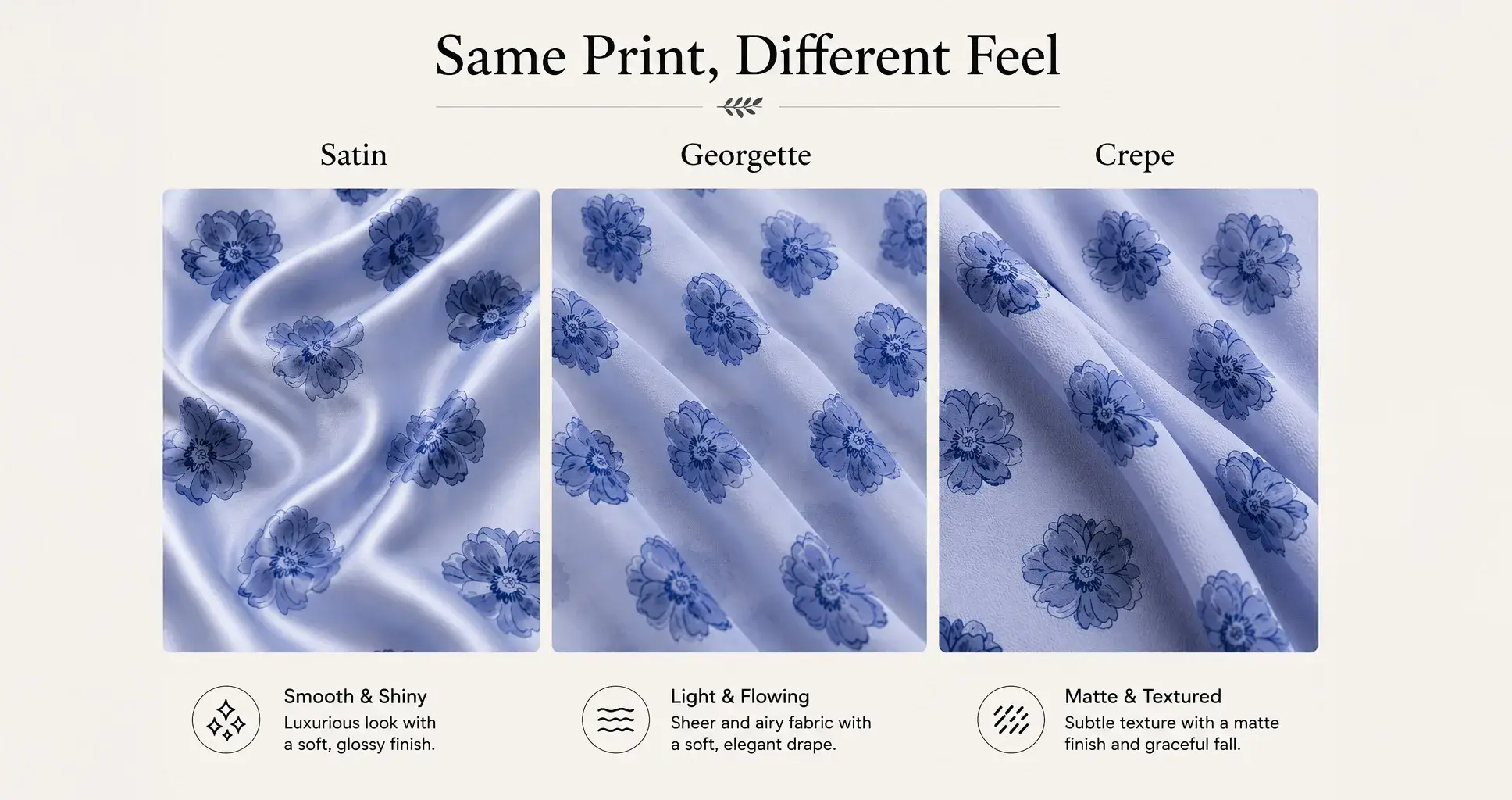
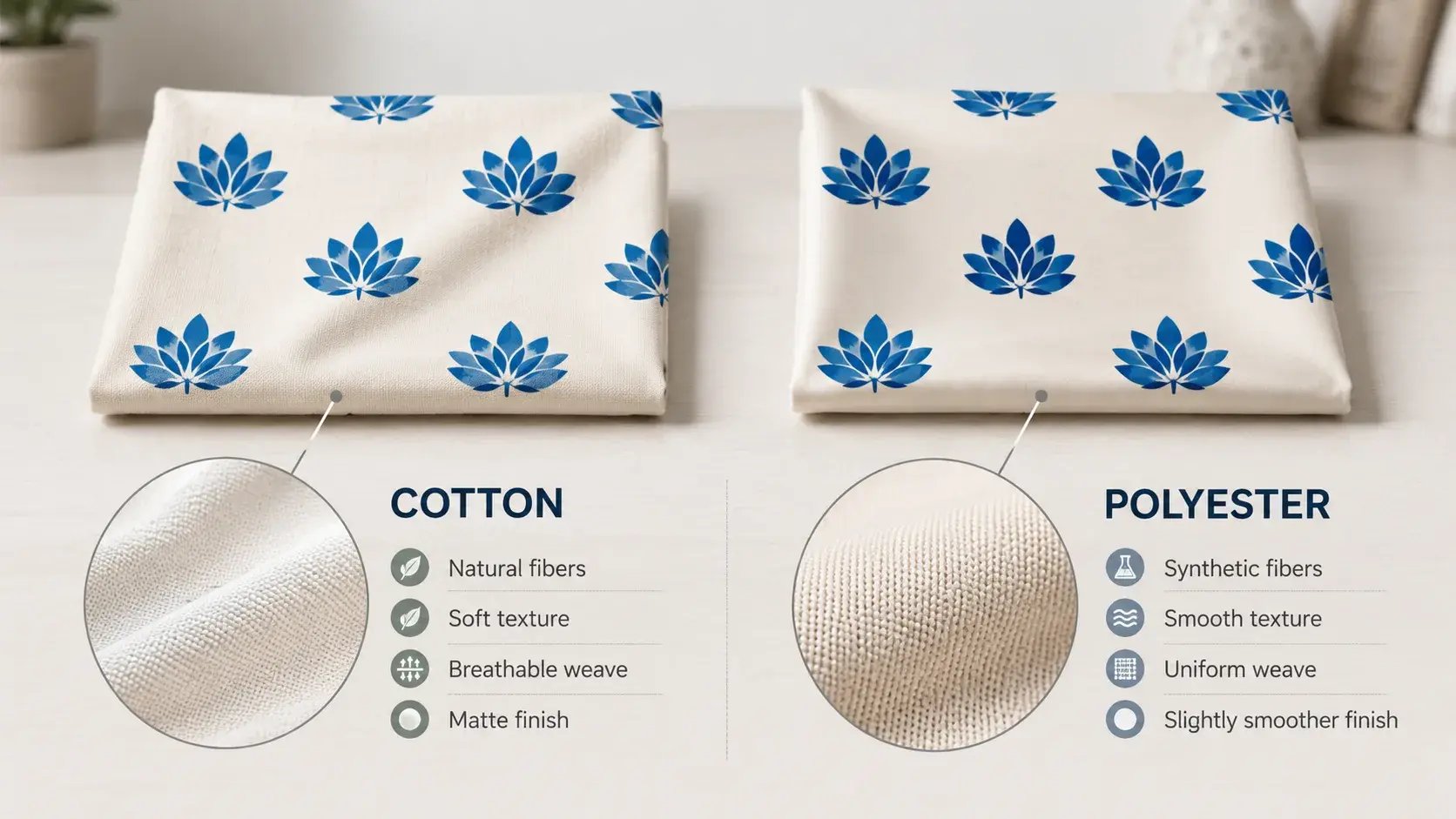
Fabric type and quality. Look at the full fabric list, not just the headline options. Natural fabrics like cotton tend to give a soft, matte print, while smoother synthetic surfaces often hold sharper color. The right cloth depends on whether you care most about comfort, drape, structure, or print crispness.
Design ownership and upload. Decide whether you need to upload your own artwork or simply buy a ready made pattern. Platforms that let you upload give you complete creative control, which matters for original collections, branding, and one of a kind pieces.
Use case fit. Some platforms lean toward apparel, others toward home furnishing, quilting, or craft. Matching the platform's strength to your project type avoids the frustration of forcing the wrong fabric into the wrong use.
Minimum order and flexibility. Check how small you can order. Buyers who want to test a design before committing to a full run should start with whatever minimum order a platform allows, then scale up once the result looks right.
Shipping reach. Confirm the platform ships to your country at a reasonable cost and timeline. This single factor decides many comparisons for international buyers, regardless of how good the fabric is.
Design variety and inspiration. If you do not have artwork ready, a strong library of browsable designs becomes the deciding feature. Pattern style, color range, and scale all affect how a design reads once printed.
Score any platform, including the ones below, against these six points and the "best" choice usually becomes obvious for your situation.
Fabzure: A Custom Printed Fabric and Digital Textile Design Platform to Consider
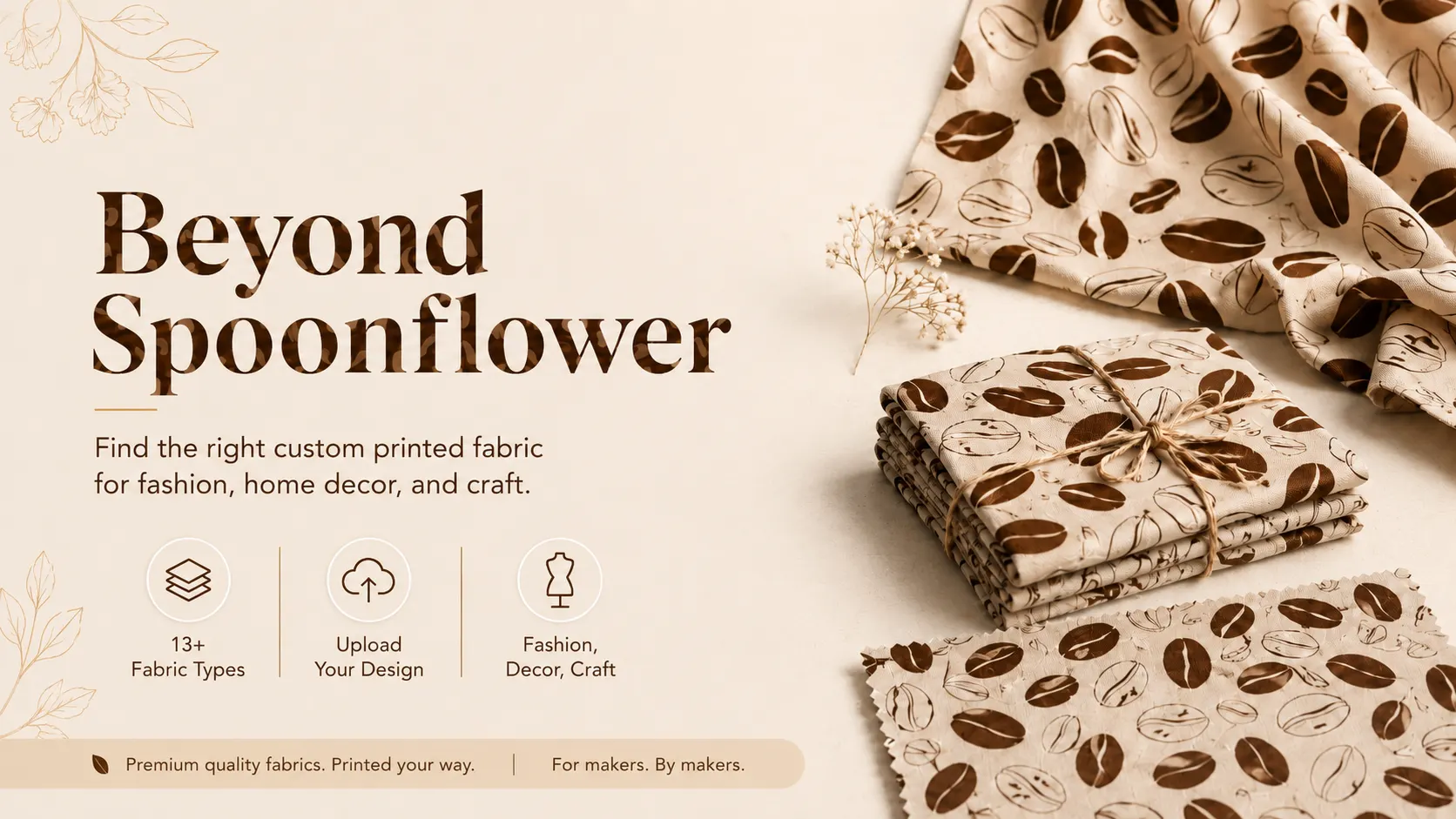
Fabzure is a custom printed fabric and digital textile design platform built for fashion, home decor, craft, and creative textile projects. It can be considered as a Spoonflower alternative for buyers who want to explore digital printed fabric designs, either by uploading their own artwork or choosing from curated collections.
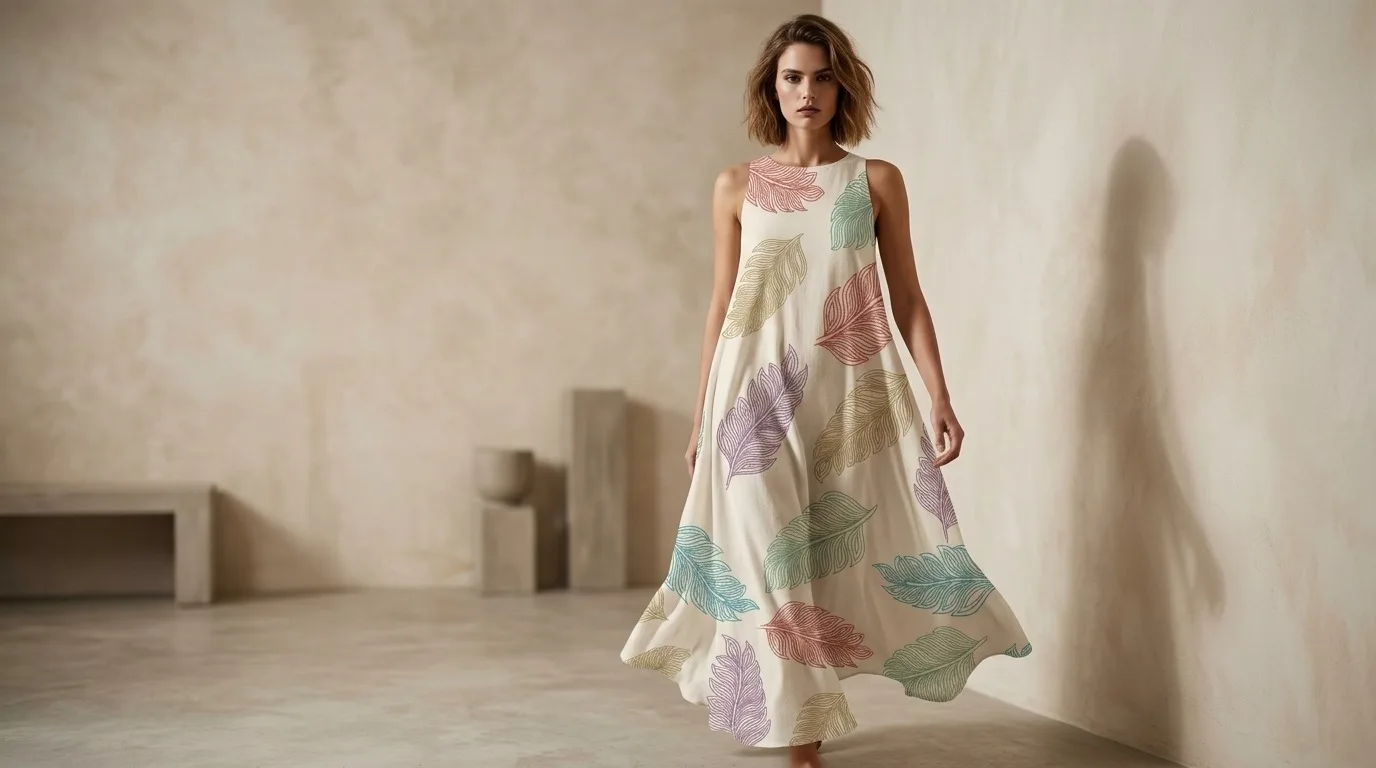
On the fabric side, Fabzure prints digital designs on 13 plus fabric types, so you can match the cloth to the project rather than the other way around. Breathable Cotton Cambric suits everyday and summer garments, flowing Weightless Georgette works for soft, layered looks, and structured options like Poly Linen lean toward home decor and accessories. Choosing the fabric is part of the design decision, not an afterthought.
On the design side, you have two clear paths. You can upload your own pattern or artwork and keep full creative control over what gets printed, which is useful for original fashion concepts and branded projects. Or you can browse Fabzure's curated printed fabric designs by style, theme, or color when you want inspiration instead of starting from a blank canvas.
For reach, Fabzure ships printed fabric to over 25 countries across the US, Canada, Europe, the Middle East, and Asia through carriers like FedEx, DHL, and UPS. That makes it worth a look for international buyers who find that some other services are slow or costly to reach. As with any platform, the practical approach is to start with the minimum order before scaling to a larger run.
What Fabzure does not do is just as important for an honest comparison. It is a printed fabric platform, not a garment maker, so it does not sew finished clothing, and it does not offer embroidery or screen printing. You receive printed fabric by the meter, ready for your own sewing or production.
Popular Fabric Design Picks
Popular Fabric Design Picks

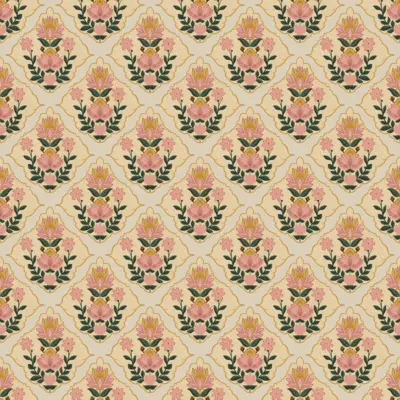
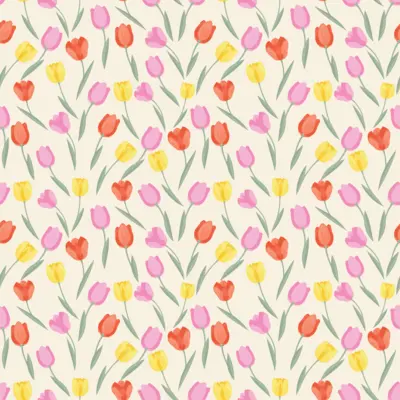
Other Spoonflower Alternatives and Competitors Worth Knowing
No single platform wins for everyone, so it helps to know the wider field. The platforms below are some of the more established websites like Spoonflower, described neutrally so you can judge fit for your own project. Availability, fabric lists, and shipping change over time, so confirm current details on each platform directly before ordering.
Contrado is a UK based print on demand service known for a very large fabric catalog, including silk, cotton, linen, and specialty materials. It tends to suit buyers who want premium or unusual fabrics for fashion, furnishing, and accessories.
Art of Where is a Canada based platform offering fabrics such as cotton sateen, canvas, and silk, often used by independent artists and makers who also want print on demand product options alongside yardage.
CottonBee is a Europe based service focused on cotton fabrics, which appeals to sewists and crafters who specifically want natural cloth and who are ordering within or near the EU.
WeaveUp is a US based platform that combines a large library of designs from independent artists with custom printing, making it a fit for buyers who want marketplace style browsing plus short run printing.
Prinfab is a UK based option with a range of woven and knit fabrics, often chosen by students, individuals, and small businesses working on apparel and design projects.
Fabric on Demand and MyFabricDesigns are US based services aimed at custom and small batch printing for apparel, quilting, and home decor, suited to buyers who want flexible, design led runs.
For very large scale or roll to roll production, specialist printers exist as well, though those generally suit higher volume orders rather than individual makers. The point is not to crown one winner, but to see how each platform leans toward a particular fabric range, region, or buyer type.
How to Choose the Right Platform for Your Project
The fastest way to choose is to start from your project, not from the platform. Once you name the end use, the fabric and the right kind of platform tend to follow.
For fashion and apparel, prioritize fabric feel and drape. Lightweight, breathable cloth suits everyday and warm weather wear, while smoother surfaces can hold sharper print detail for bold patterns. If you are building an original collection, the ability to upload your own design matters more than a large ready made library.
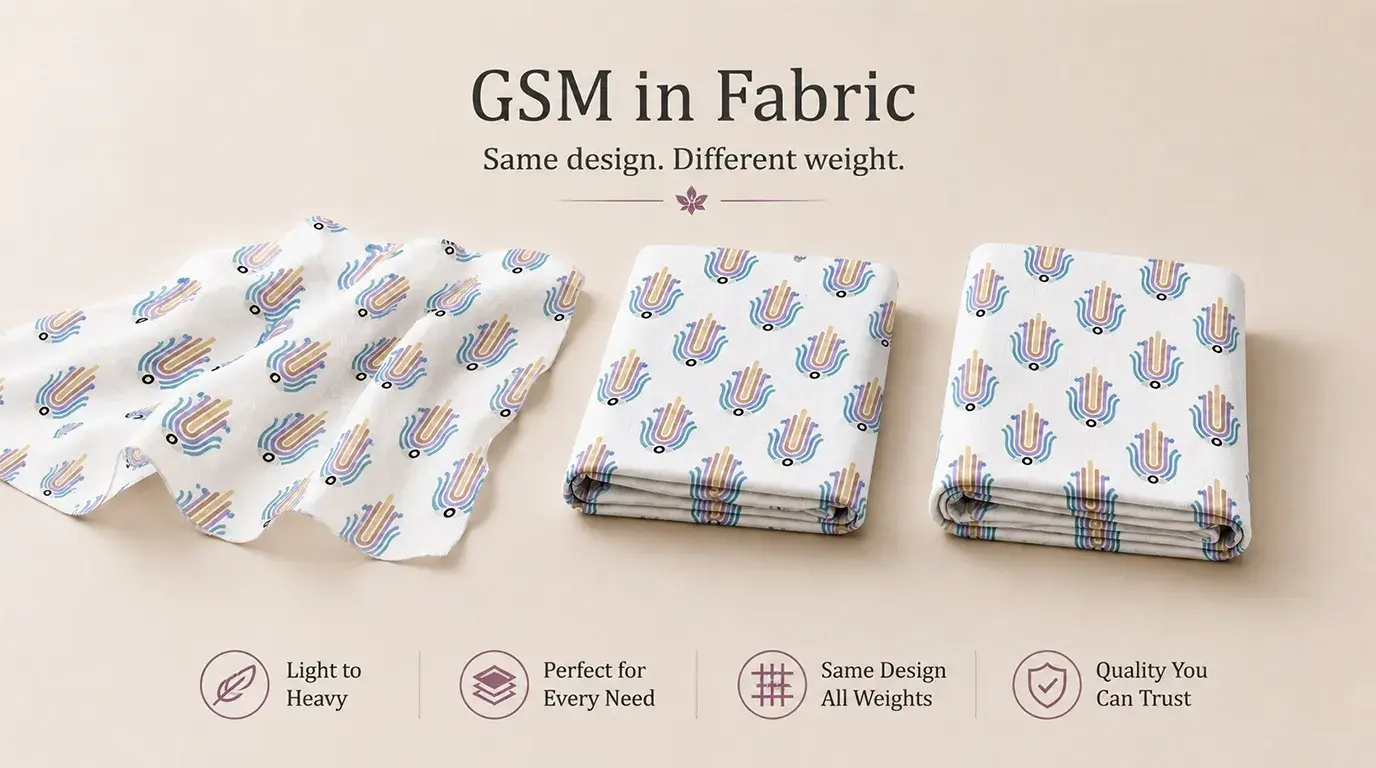
For home decor, think about structure, durability, and pattern scale. Curtains, cushion covers, and table linen usually call for slightly heavier or more textured fabric, and larger print repeats often read better across a room than tiny motifs.
For craft and DIY, flexibility and small orders matter most. You want to test an idea, see how the print turns out, and adjust, so starting with a small order before scaling protects both your budget and your time.
For international buyers, let shipping reach and cost act as a tie breaker. If two platforms offer similar fabric, the one that delivers to your country reliably is the practical winner.
A simple rule of thumb: choose based on the final product, not the platform's marketing. A dress, a cushion, and a craft panel can each need different cloth, so the best choice is the platform whose fabric and design range matches what you are actually making.
Pick Most Popular Fabric
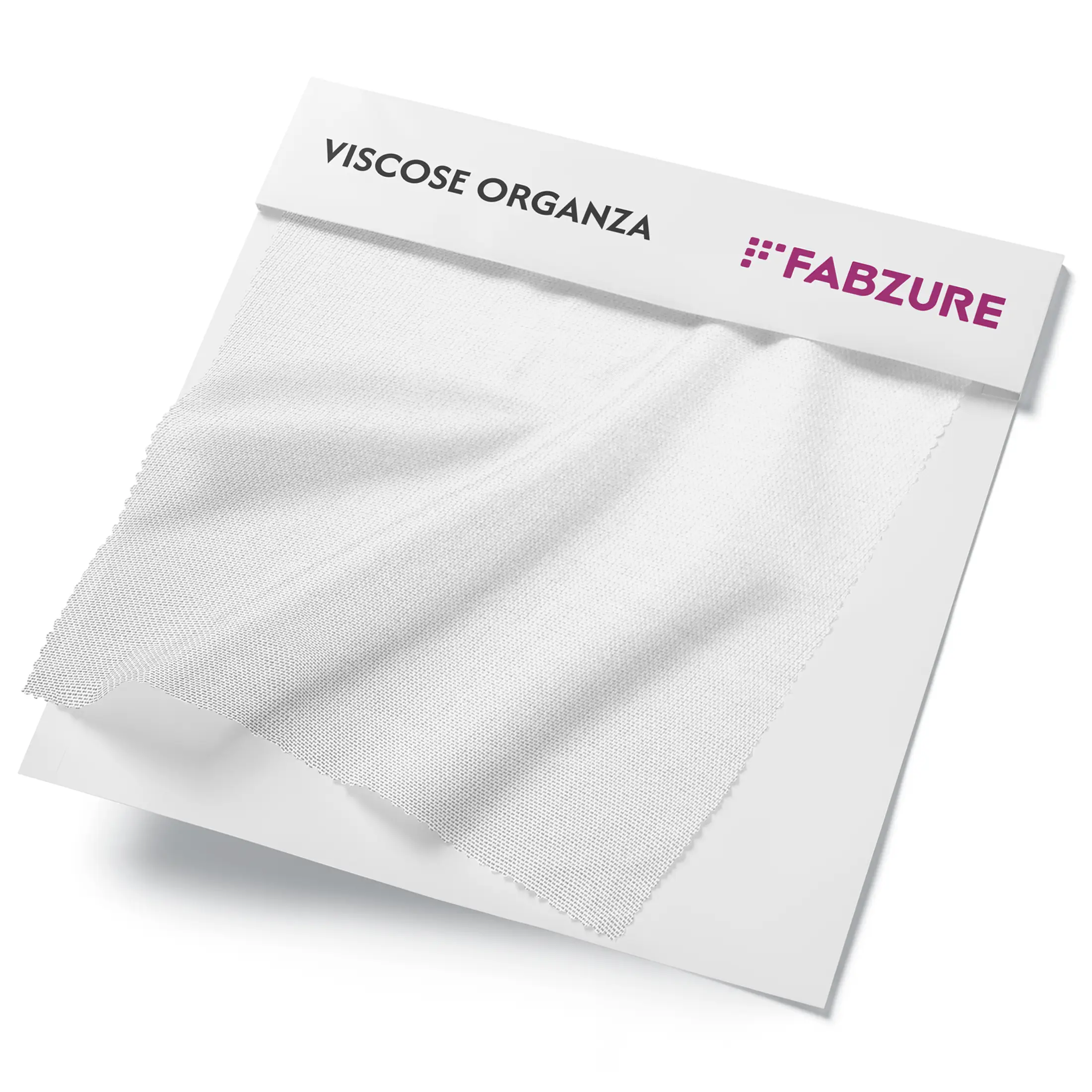
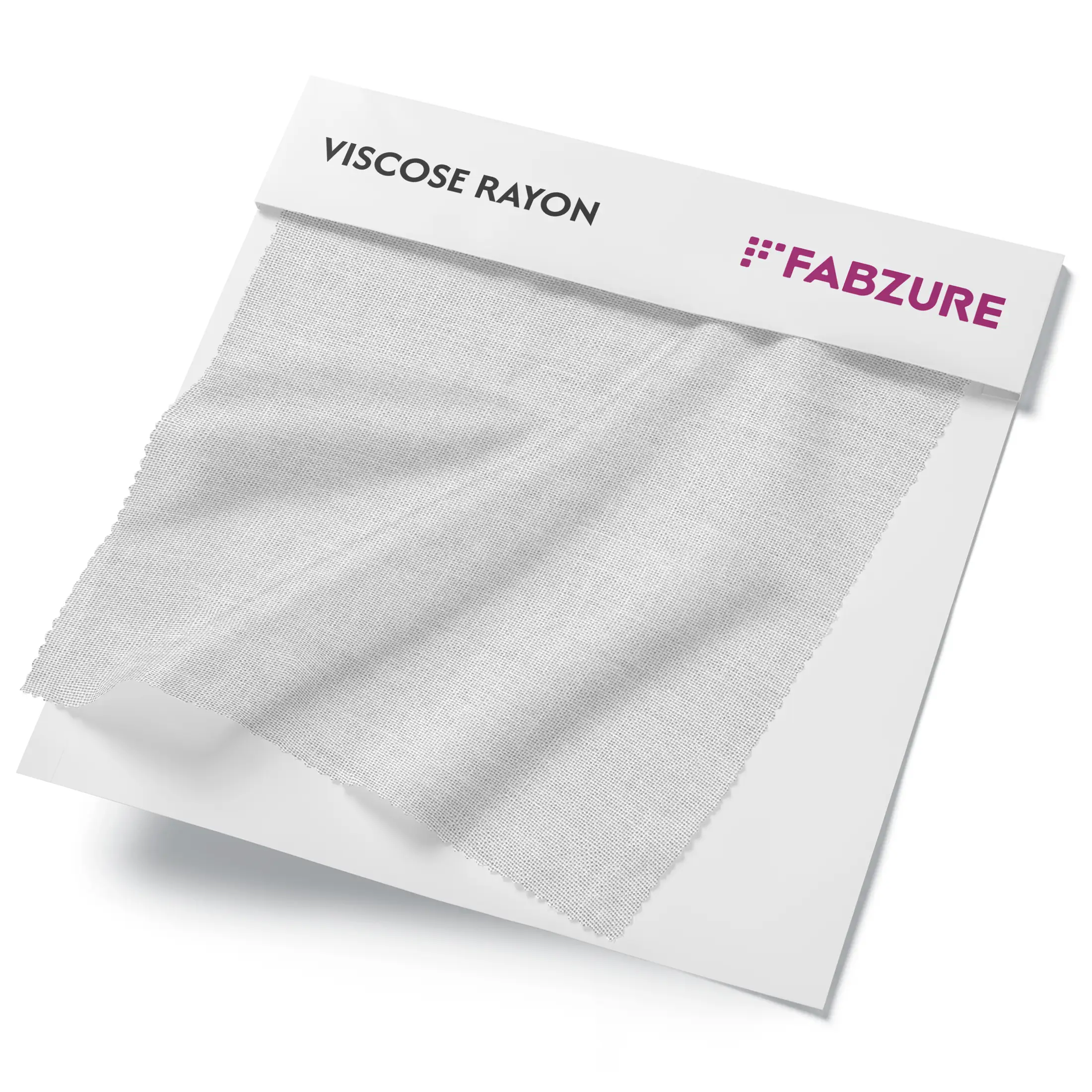
Ready to Explore Printed Fabric Designs for Your Project?
If you have a design in mind, or a project waiting for the right fabric, the easiest next step is to see how your idea looks on real cloth. With Fabzure you can browse curated printed fabric designs, explore the available fabric types, or upload your own artwork and choose the fabric that fits your project.
Start with a small order to see the result in your hands, then scale up with confidence once the fabric and print feel right for fashion, home decor, craft, or any creative textile work.
Final Thoughts
The real question is not "what is better than Spoonflower." It is "which platform fits the fabric, the project, and the place I am ordering from." Once you frame the search that way, the long lists of alternatives stop being overwhelming and start becoming a simple matching exercise.
Spoonflower alternatives like Fabzure and the other platforms above each lean toward a different kind of buyer. Decide what your project actually needs first, and the right custom printed fabric platform becomes much easier to recognize.
Disclaimer: Spoonflower is a trademark of its respective owner. Fabzure is not affiliated with or endorsed by Spoonflower. This article is created for informational comparison purposes only.